Buying a used luxury car yields distinct financial advantages over purchasing a new model. First, severe initial depreciation works to your benefit. Brand-new luxury vehicles lose substantial market value during their initial years on the road. Pre-owned buyers avoid this sharp financial loss entirely, as the previous owner absorbs the steepest drop in valuation.
Second, lower valuation reduces primary ownership expenses. Insurance premiums decrease because replacement costs drop significantly. Finally, purchasing pre-owned maximizes capital efficiency. You secure advanced safety systems, superior engineering, and high-end materials for the same price as a mainstream new vehicle, obtaining premium features at a reduced purchase cost.
How Lexus Masters Long-Term Reliability
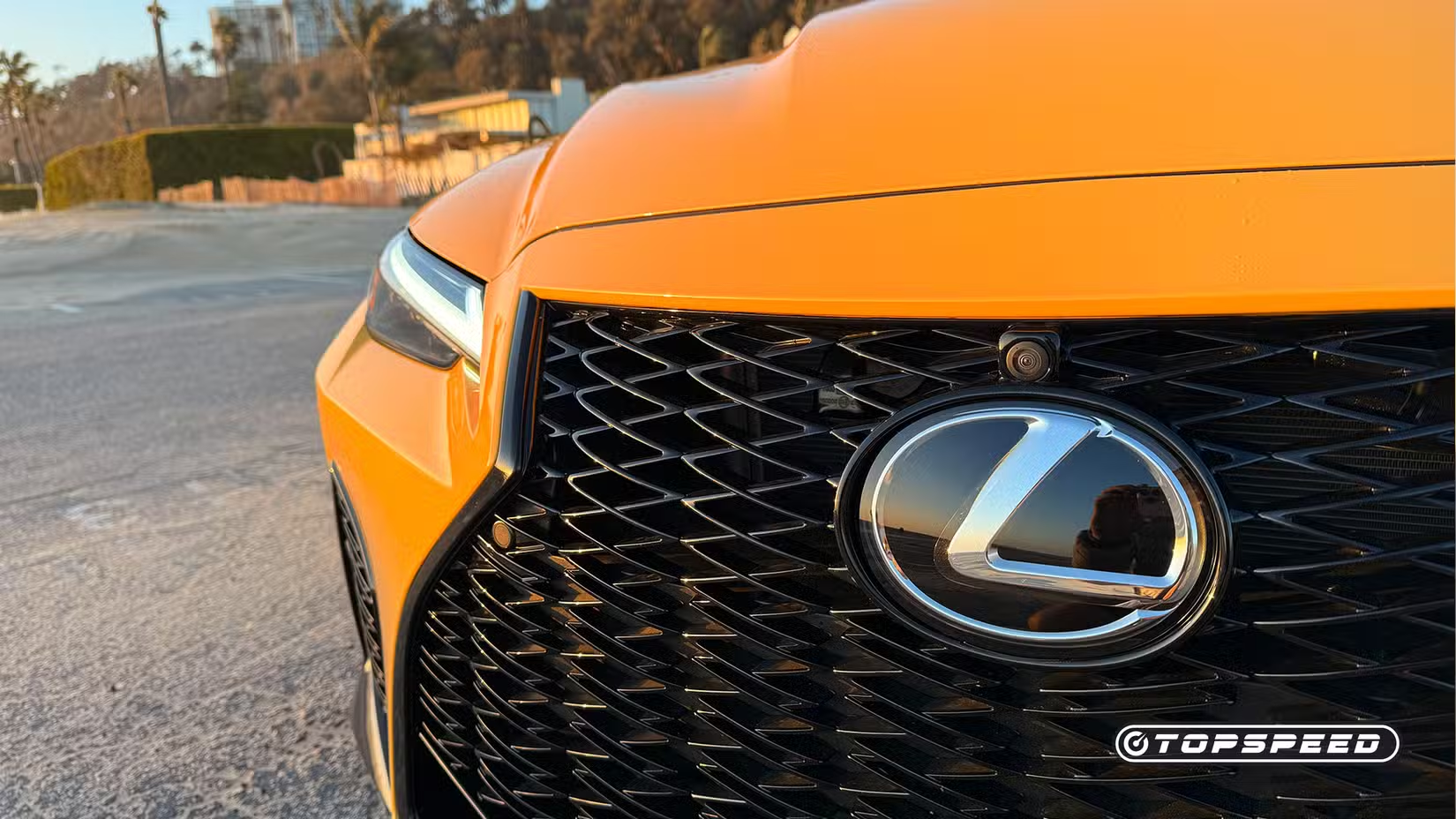
Lexus established an exceptional reputation for long-term reliability through rigorous manufacturing standards and conservative engineering choices. The brand prioritizes evolutionary technical developments over unproven innovations, testing components extensively before implementation. Engine and drivetrain designs frequently run at lower stress thresholds, reducing internal wear and prolonging mechanical lifespan.
Lexus also benefits from shared core development methodologies within its parent organization. Proven architecture, standardized parts, and robust supply chain standards ensure consistent build quality across production cycles.
The 2026 Toyota Camry’s Class-Leading Reliability

The 2026 Toyota Camry maintains a solid standing for mechanical dependability, backed by impressive industry evaluation metrics. J.D. Power assigns the current-generation Camry an 80/100 Quality and Reliability rating, placing it near the top of the midsize sedan market. Data from iSeeCars confirms its structural longevity, indicating an average lifespan of roughly 172,000 miles or 13 years, with many well-maintained units crossing 200,000 miles. Nevertheless, the 2026 model faces specific safety recalls. These include an instrument cluster display glitch causing screen blackout during startup, an improperly torqued inverter terminal bolt in hybrid units, and software freezing issues affecting the rearview camera.
Despite these initial software and assembly fixes, the Camry preserves a long-standing reputation for dependability. Conservative tuning limits internal component strain, preventing premature mechanical breakdowns. Combined with accessible replacement components and straightforward maintenance schedules, this disciplined design philosophy ensures the vehicle achieves lower long-term ownership expenses, consistent operational performance, and resilient resale values.
The Lexus IS 500 Is A Sleeper That Lasts Forever
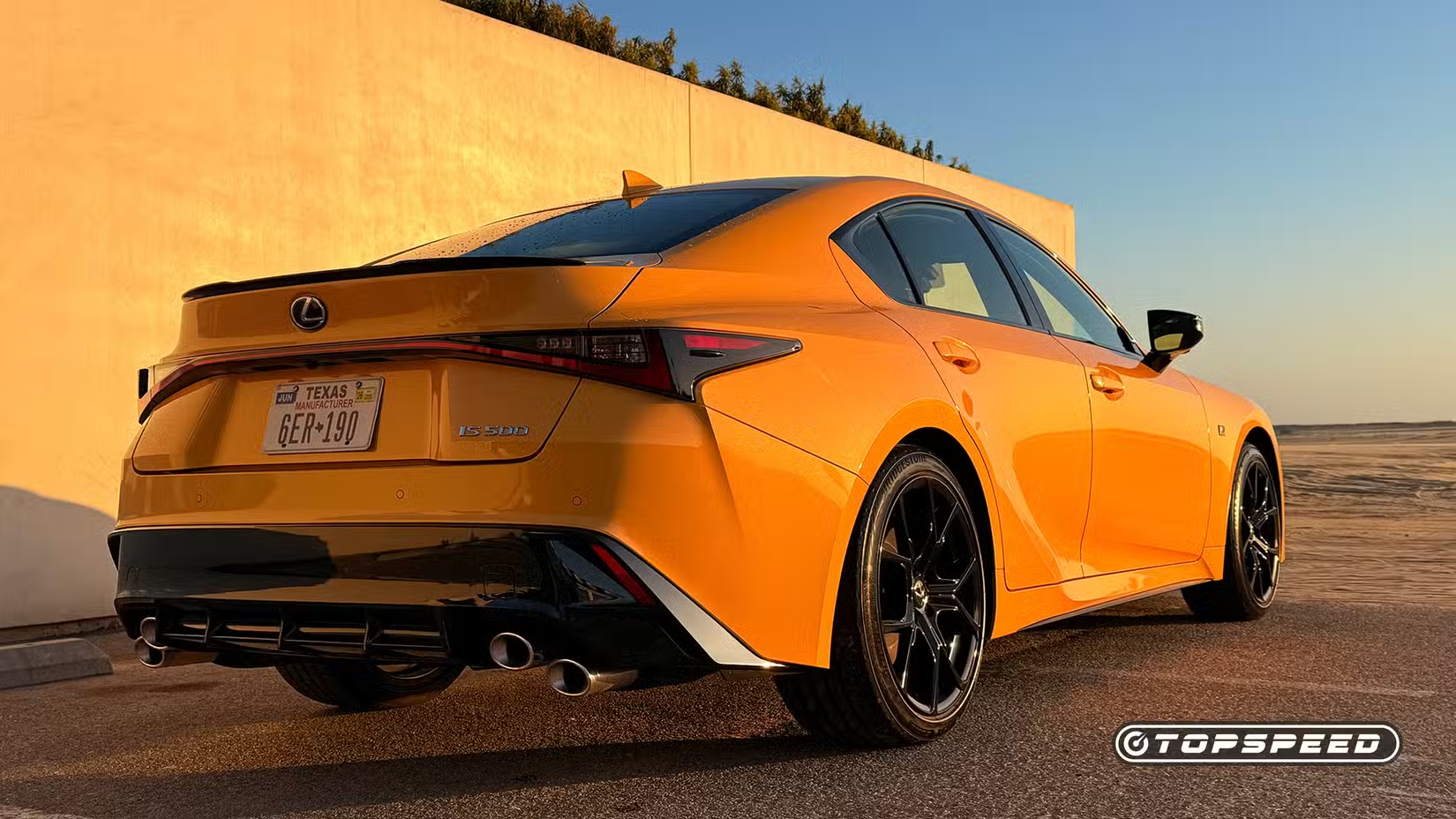
The 2025 Lexus IS 500 F Sport Performance stands as a prominent offering in the compact luxury sports sedan segment, pairing dynamic styling with an atmospheric V-8 engine. J.D. Power reflects this underlying structural quality by assigning the overall Lexus IS lineup an impressive Quality and Reliability rating of 86/100. Long-term durability metrics from iSeeCars reinforce this baseline, projecting an average operational lifespan of approximately 226,000 miles or nearly 25 years across shared high-performance platforms.
Regarding safety recalls, select 2022 IS 500 units face low-pressure fuel pump assembly replacements to prevent potential engine stalling. Additionally, broader brand recalls address temporary screen freezes or blackouts within the rearview camera and infotainment software upon startup.
Despite these targeted technical updates, the IS 500 retains an exceptionally strong reputation for mechanical endurance. Lexus achieves this durability by utilizing a proven, naturally aspirated 5.0-liter engine architecture refined over years of production. Avoiding complex forced-induction systems minimizes thermal stress and mechanical wear.
The 2UR-GSE Is A Reliability Performance King
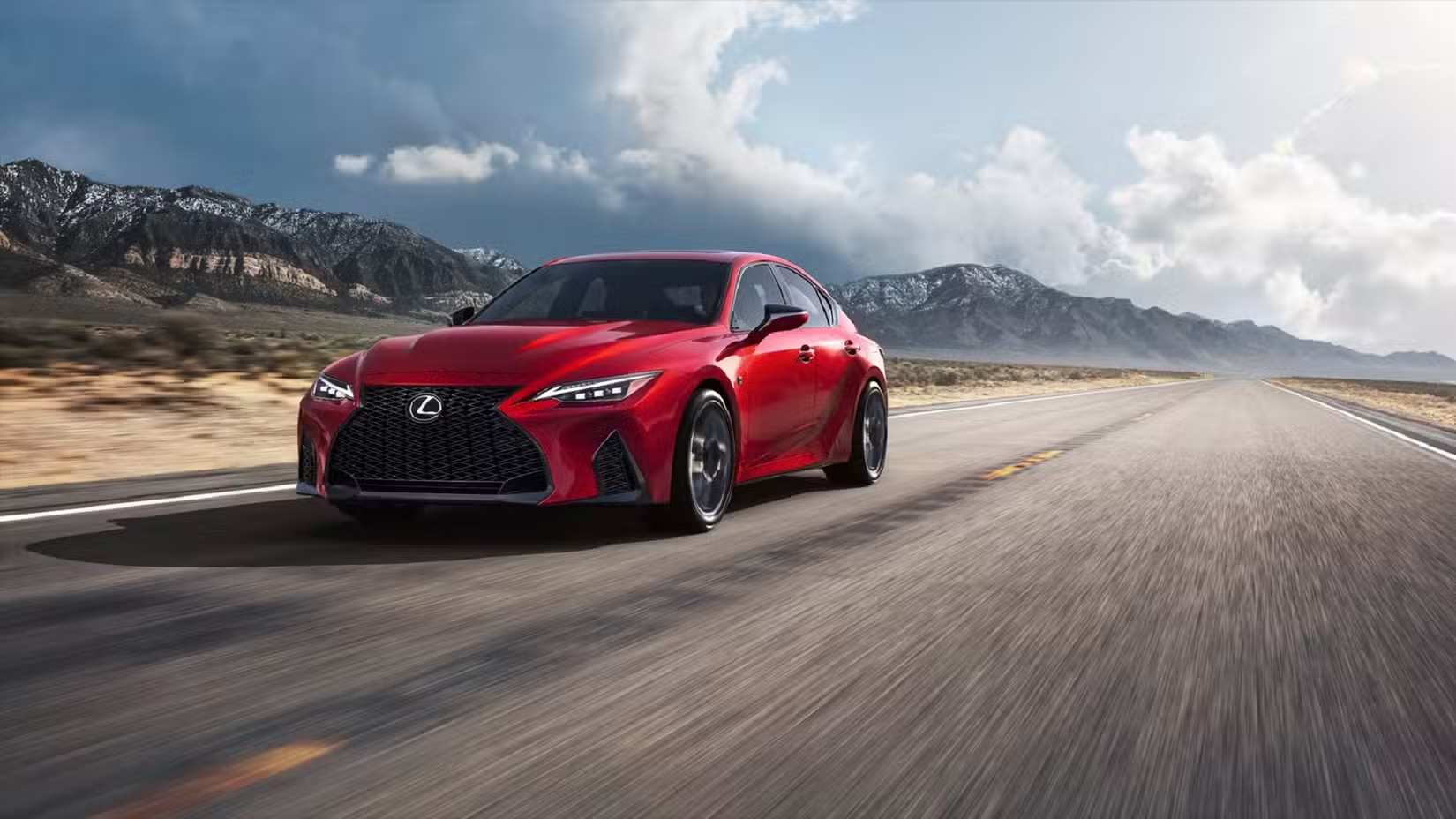
The Lexus IS 500 F Sport Performance features a 2UR-GSE naturally aspirated 5.0-liter V-8 engine delivering 472 horsepower at 7,100 RPM and 395 pound-feet of torque at 4,800 RPM. Power transfers exclusively to the rear wheels through an eight-speed Sport Direct-Shift automatic transmission.
This powertrain propels the sports sedan from 0 to 60 MPH in roughly 4.4 seconds, with independent instrumented tests achieving sprint times as quick as 4.3 seconds. A quarter-mile run takes 12.8 seconds at a trap speed of 112 MPH. Top speed reaches an electronically limited 149 MPH.
The transmission features steering-wheel-mounted paddle shifters, torque-converter lockup in upper gears, and downshift rev-matching for fast gear changes. The engine uses dual variable valve timing and a high 12.3:1 compression ratio, combining immediate throttle response with sustained high-rpm power output without relying on forced induction.
Performance That Stands The Test Of Time
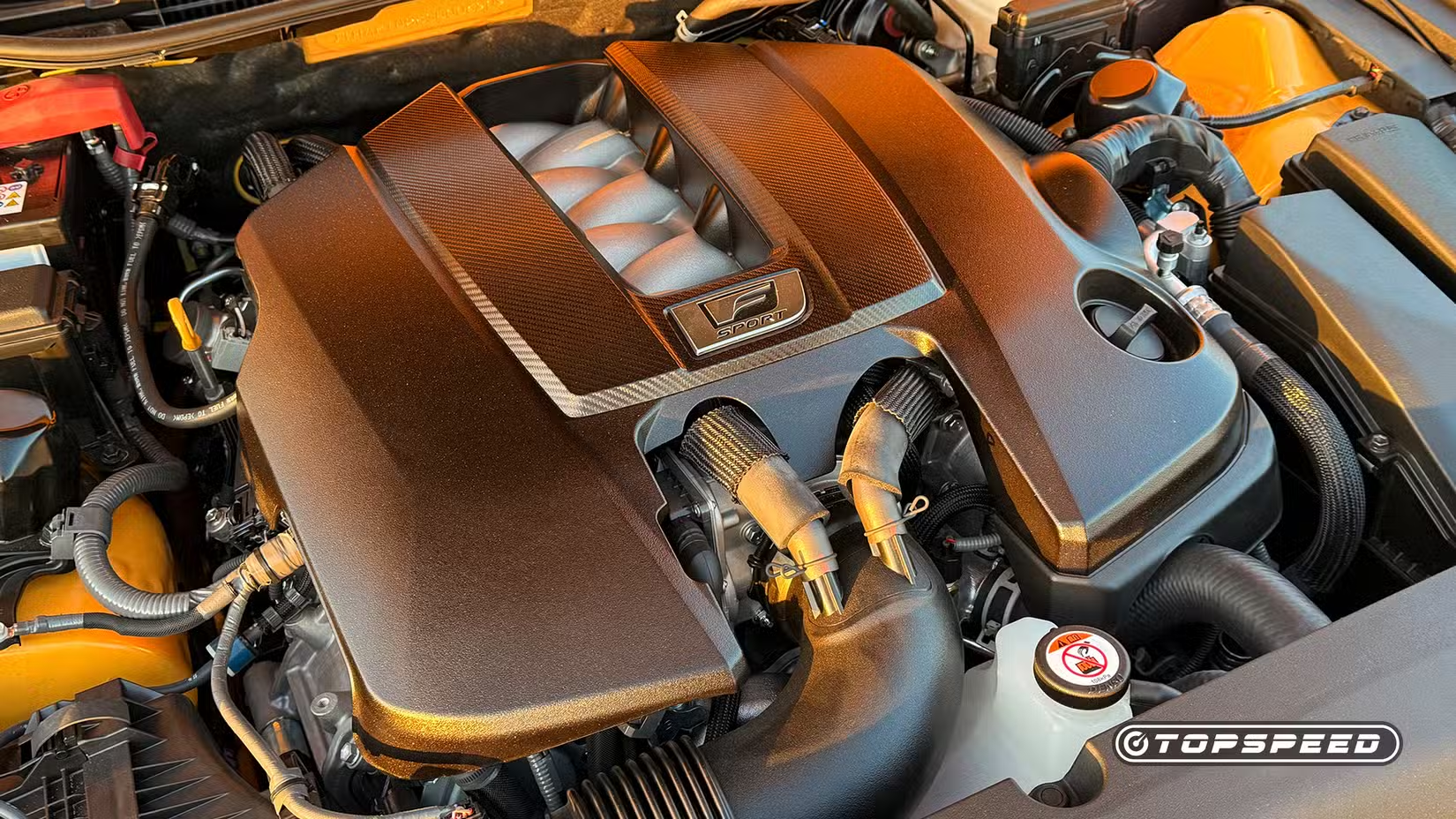
The 2UR-GSE engine combines robust metallurgy with precise engineering to deliver high-rpm output while maintaining mechanical durability. Yamaha developed the aluminum cylinder heads, incorporating lightweight titanium intake and exhaust valves that withstand high operational speeds. Forged connecting rods and a forged crankshaft manage extreme combustion pressures without structural fatigue. The block uses an aluminum alloy construction with reinforced cylinder walls.
High compression ratios maximize thermal efficiency and power generation without sacrificing reliability. Engineers designed every internal component to minimize friction and thermal degradation. This disciplined material selection allows the V-8 engine to sustain frequent high-load track conditions while achieving exceptional longevity. The powertrain resists wear through conservative mechanical tolerances, ensuring enduring performance across extensive service intervals.
Lexus Also Bulks The IS’s Suspension Up
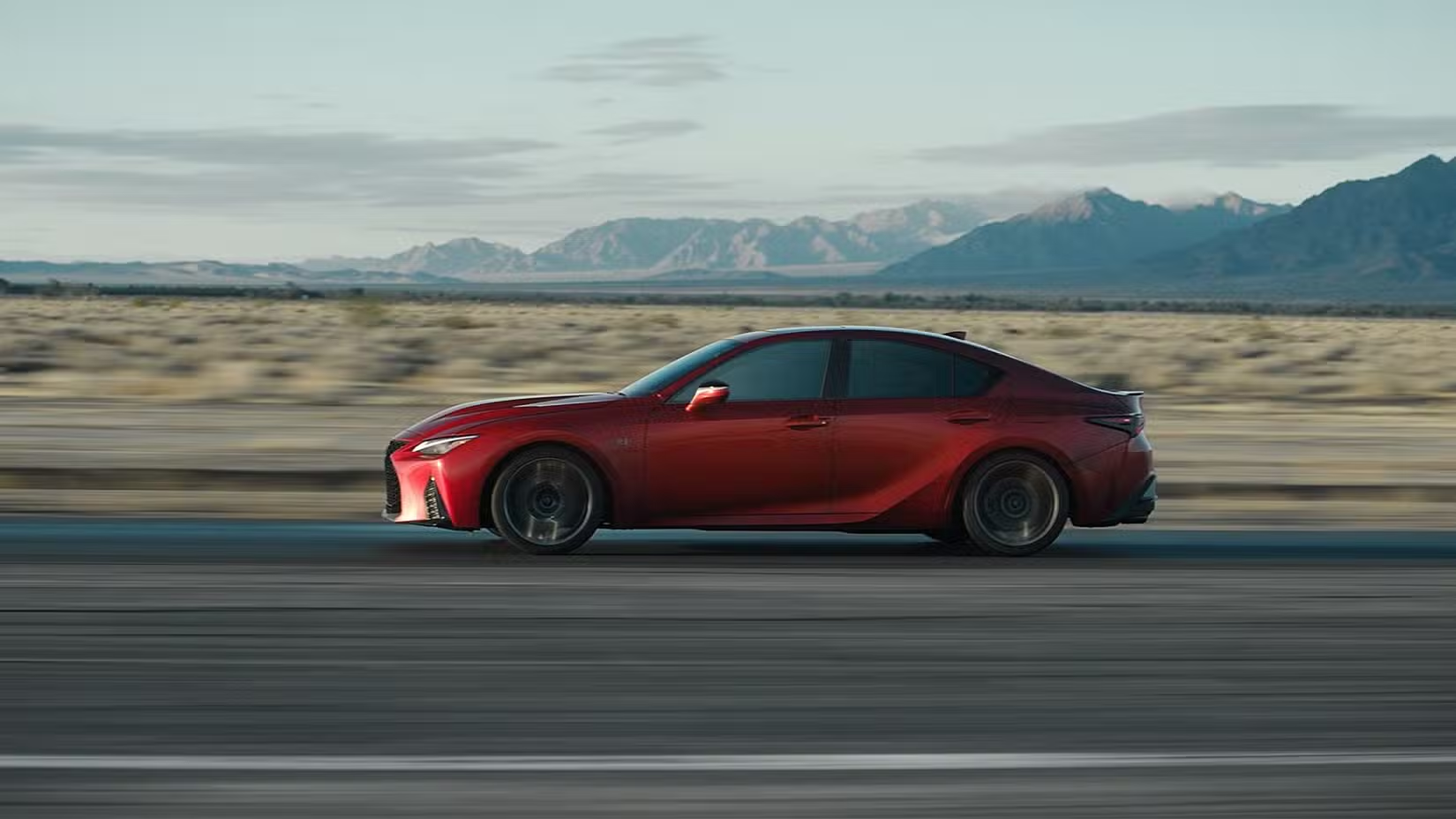
The Lexus IS 500 F Sport Performance upgrades the standard IS platform with dynamic chassis and braking enhancements to manage its higher output.
The IS 500 includes the Adaptive Variable Suspension system as standard equipment, utilizing adaptive shock absorbers to refine body control and ride quality. A key distinction from lower IS models is the addition of a Yamaha performance damper on the rear chassis. Power delivery to the rear axle uses a Torsen limited-slip differential to maximize traction during aggressive cornering.
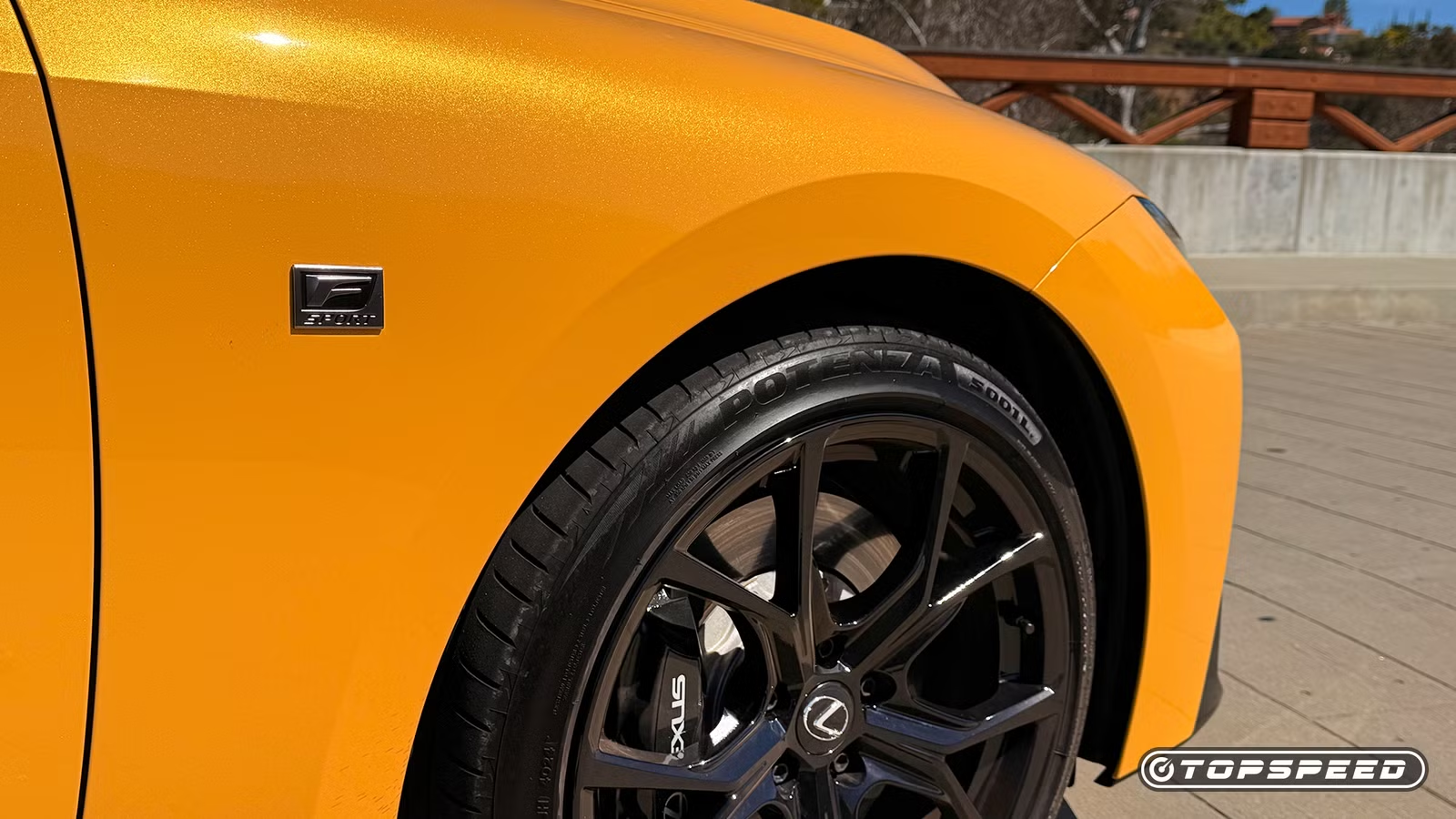
Stopping capability increases through upgraded braking hardware. The IS 500 utilizes two-piece 14.0-inch vented front brake rotors and 12.7-inch rear rotors, paired with enhanced brake cooling ductwork to mitigate thermal fade. The vehicle features staggered 19-inch split-10-spoke Enkei alloy wheels finished in Dark Metallic, with optional forged BBS wheels available on specific editions.
No Shortage Of Comfort Features Inside
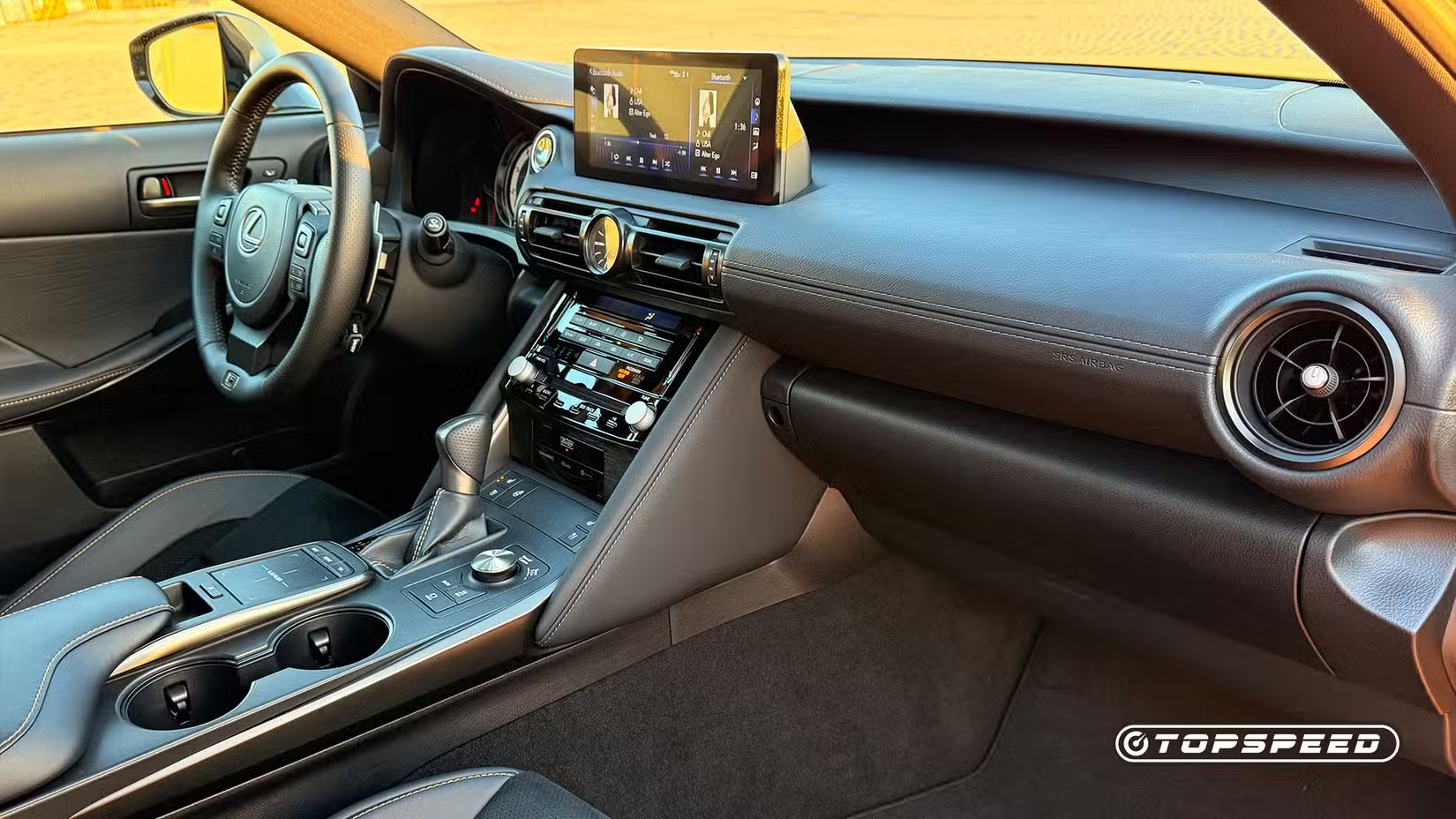
The Lexus IS 500 F Sport Performance balances driver-focused ergonomics with luxury appointments across its five-passenger cabin. Heavily bolstered F Sport front seats feature ten-way power adjustments for the driver, eight-way adjustments for the passenger, memory settings, and integrated heating and ventilation. Upholstery consists of synthetic NuLuxe trim available in Black, White, or Circuit Red, accompanied by an optional Ultrasuede synthetic suede finish on select special editions.
Interior trim accents feature satin ornamentation, metallic pedal covers, custom door-sill scuff plates, and a heated leather-wrapped steering wheel. Convenience equipment includes dual-zone automatic climate control, a power tilt-and-slide sunroof, and keyless access.
Infotainment technology centers on a high-resolution touchscreen interface positioned on the upper dashboard, featuring integrated navigation, Apple CarPlay, and Android Auto compatibility. The digital gauge cluster incorporates a sliding center ring inspired by the Lexus LFA supercar, providing real-time telemetry, engine temperatures, and drive mode readouts. Higher-tier Premium trims upgrade the standard audio layout to a 17-speaker Mark Levinson QuantumLogic surround-sound system, while standard driver-assist safety suites provide adaptive cruise control, lane-keeping assistance, and blind-spot monitoring.
The IS500 Still Sells For A Premium
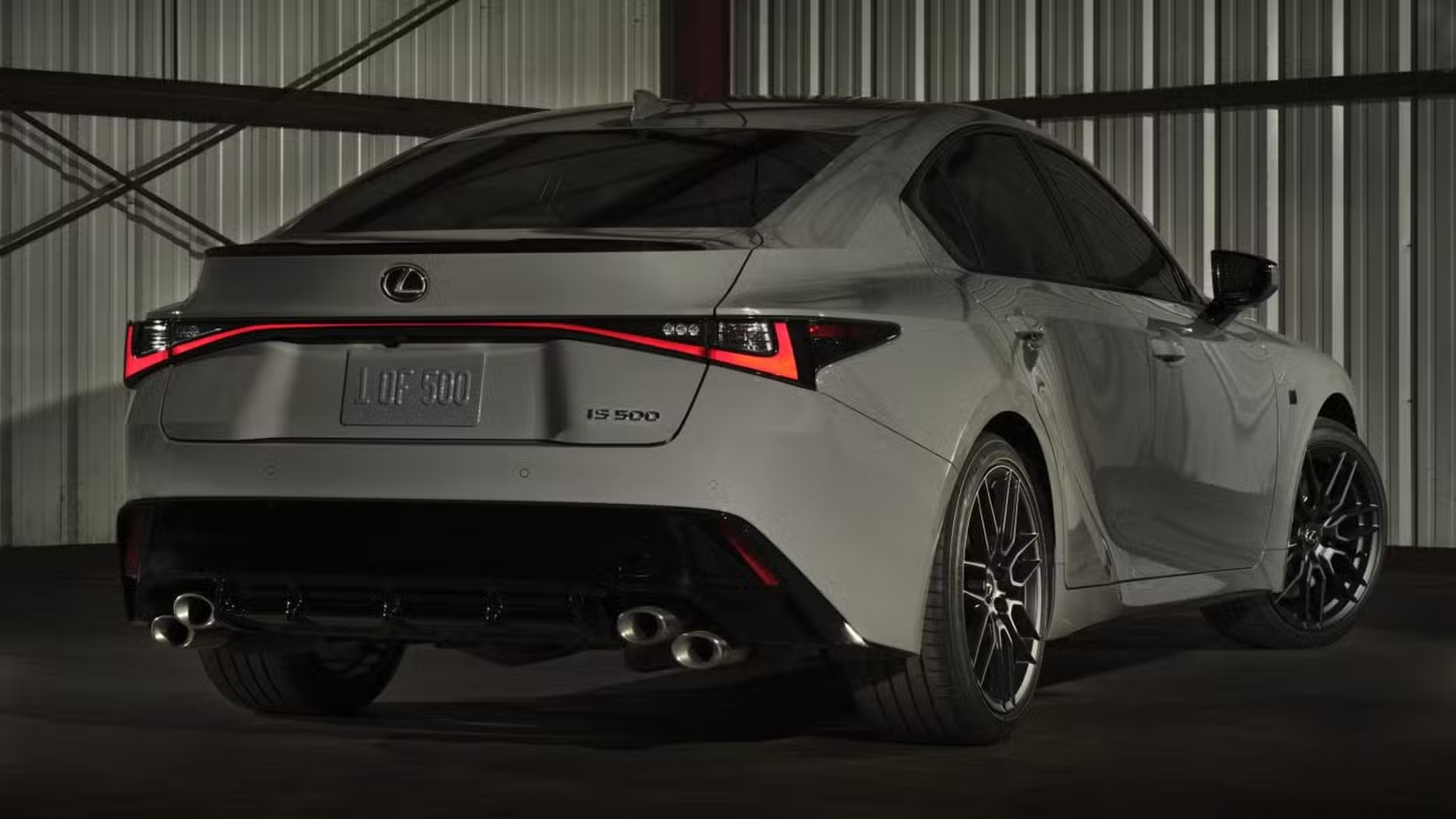
The 2025 Lexus IS 500 F Sport Performance entered the market with a base MSRP of $59,520 for the standard trim, advancing to $64,020 for the F Sport Performance Premium, and reaching $71,495 for the range-topping Special Edition.
Secondary market transaction values typically range between $65,000 and $75,000 depending on vehicle mileage, geographic region, optional equipment, and overall condition. Lower-mileage examples and top-tier Premium or Special Edition configurations command prices near or slightly above $70,000.
Sources: Lexus, J.D. Power, iSeeCars, and the NHTSA.