The luxury SUV market is perhaps the most competitive segment in the entire automotive industry because it attracts a large pool of buyers with high expectations. Because they are buying a premium product, luxury automakers rarely focus on value as a key component of the equation. If anything, the price floor and barrier to entry have only risen as the cost of living and vehicle prices have increased. European automakers seem to have primarily focused on PHEVs and EVs, while one Japanese luxury brand continues to build its reputation around conventional hybrid powertrains. This strategy has helped the brand corner a high-value segment of the American market, and its position is more secure than ever before.
The Luxury SUV Market Has Left An Opening For Traditional Hybrids
European Luxury Brands Are Moving Beyond Conventional Hybrids
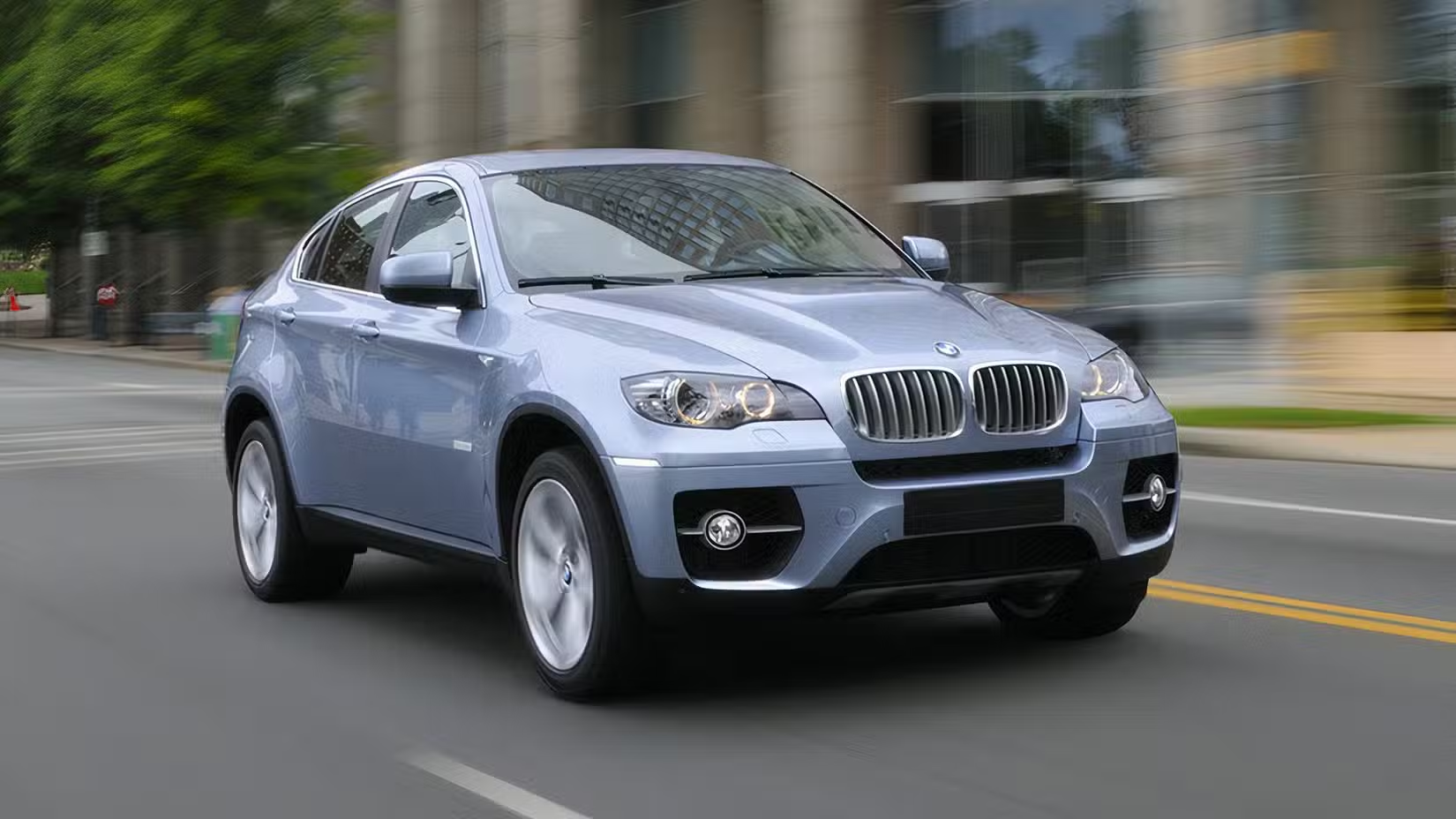
A surprising fact that many people may not realize is that BMW hasn’t sold a conventional (non-plug-in) hybrid in the U.S. since the 2015 model year, when it offered the BMW ActiveHybrid 3 and ActiveHybrid 5. Since then, the German automaker has sold vehicles equipped with mild-hybrid, PHEV, or all-electric powertrains instead.
While mild-hybrid systems can make a difference in terms of performance and efficiency, they cannot propel a vehicle on electric power alone. Full hybrids, by contrast, can drive on electric power under certain conditions, particularly at low speeds. PHEVs offer an additional advantage, but the trade-off is another layer of logistical complexity in everyday ownership. The reality is that many luxury shoppers want the added efficiency without the added complications.
The Brand That Turned Hybrid Efficiency Into Its Edge
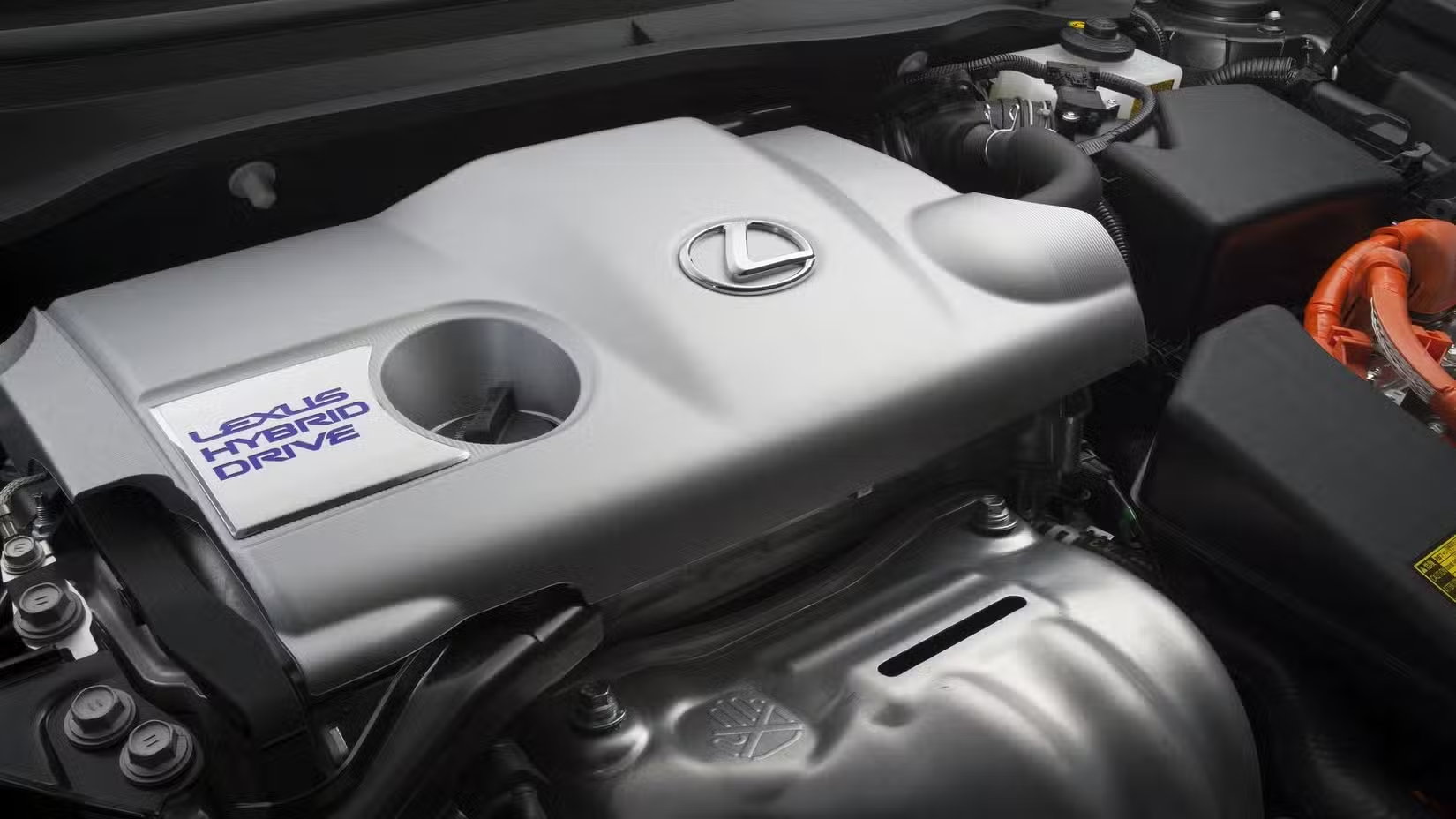
If you have ever shopped for a luxury car, you already know that Lexus is the brand that turned hybrid efficiency into one of its primary strengths. Across its lineup, Lexus has made a substantial commitment to conventional hybrid powertrains, which remain an attractive option even as the industry moves closer to an electrified future.
The reality is that Lexus has built a business around providing more while asking for less, and that formula remains relevant today. Of all the vehicles in Lexus’ broad and diverse lineup, one stands out as the purest representation of what makes the brand a leader in the luxury market: the Lexus RX Hybrid.
The 2027 Lexus RX Hybrid Delivers The Efficiency Most Rivals Cannot Match
Its 246-HP Hybrid Powertrain Is More Than Enough For Daily Driving
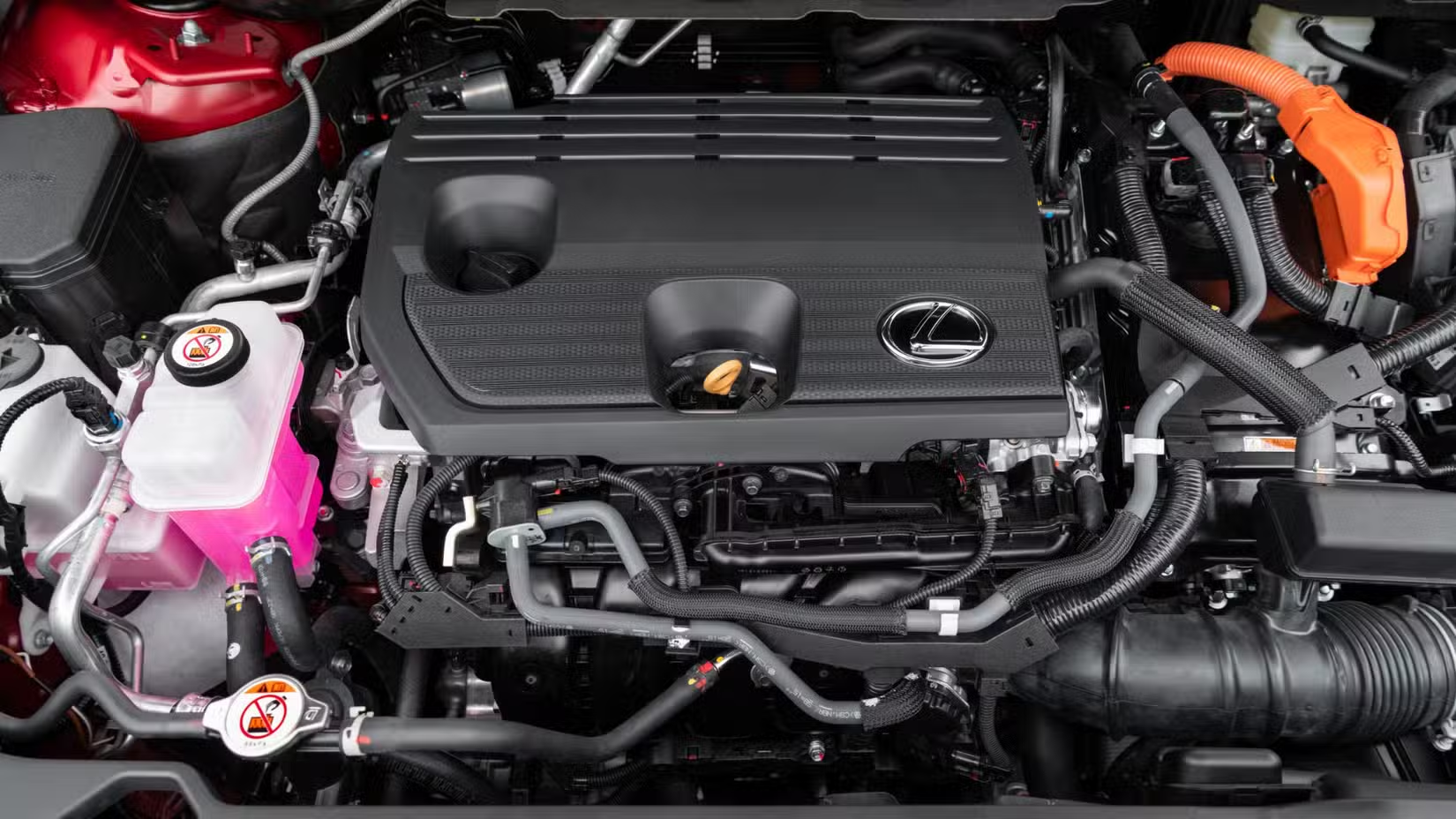
We’ll admit that we still get a little emotional thinking about how the Lexus RX Hybrid sacrificed some of its smoothness and performance when it transitioned from a V-6 to an inline-four powertrain for the 2023 model year.
However, the reality is that most long-term RX Hybrid owners aren’t particularly concerned about performance, and we’d wager that many have never even put the pedal to the floor. Its 246 horsepower is undoubtedly modest compared to what some competitors offer, but it’s more than adequate for everyday family transportation. While a 400-horsepower luxury SUV sounds great on paper, how often will you realistically use all that performance? Very rarely.
Standard AWD And 36 MPG Make It A Standout Commuter
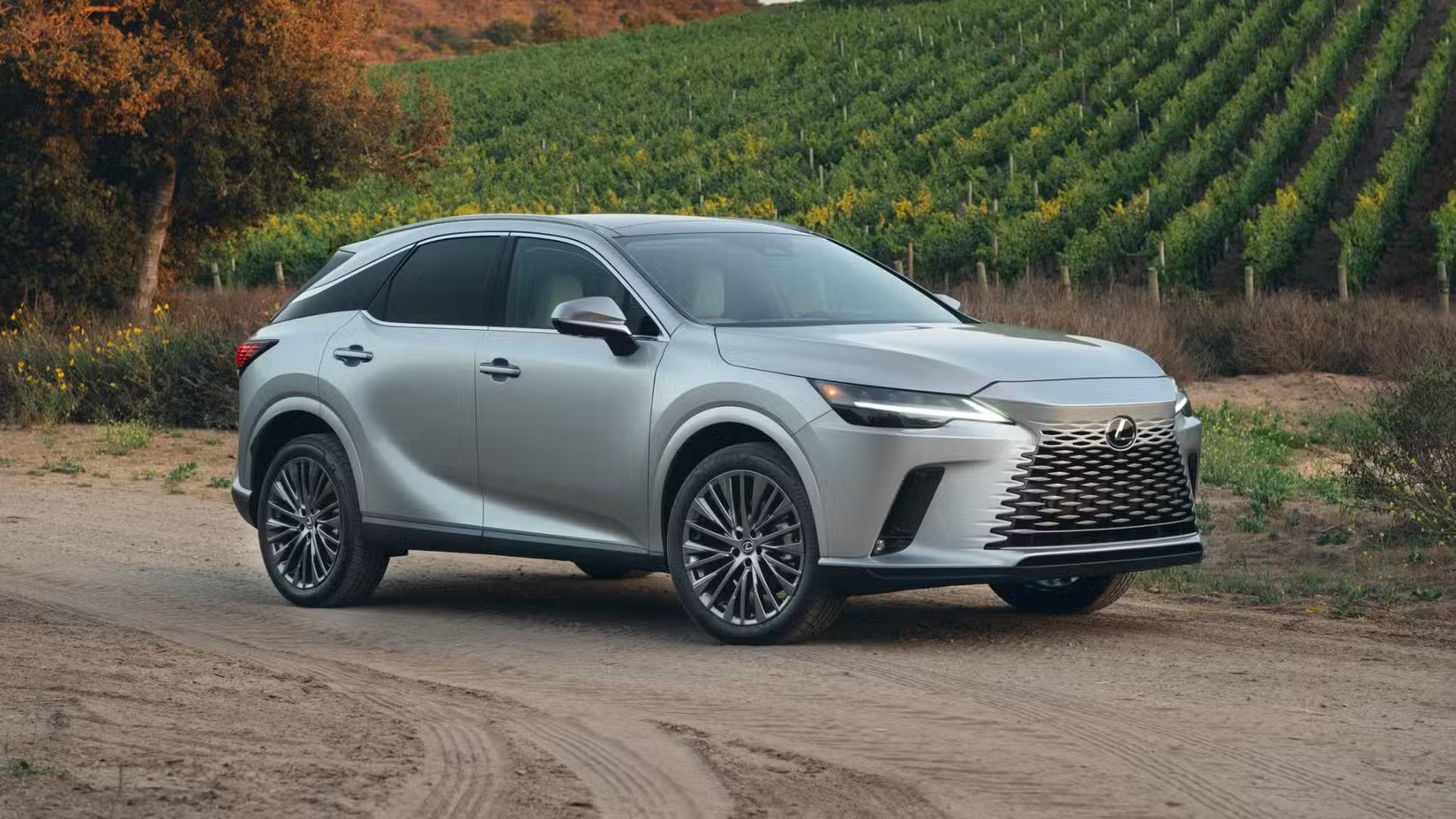
Just because the base 2027 RX Hybrid doesn’t offer more than 300 horsepower doesn’t mean it lacks key features. Indeed, every RX Hybrid comes with standard AWD and achieves 36 mpg combined, making this luxury SUV well-equipped for a wide range of driving conditions while keeping fuel costs to a minimum.
For context, the 2027 BMW X5 xDrive40i, the RX Hybrid’s direct competitor, achieves just 26 mpg combined. In an industry where even a small difference in fuel economy can influence the ownership equation, a 10-mpg gap isn’t trivial; it puts these SUVs in entirely different efficiency categories. Lexus’ hybrid technology gives it a substantial advantage over many luxury automakers, and the difference is hard to ignore.
Comfort And Lower Ownership Costs Strengthen The RX Hybrid’s Appeal
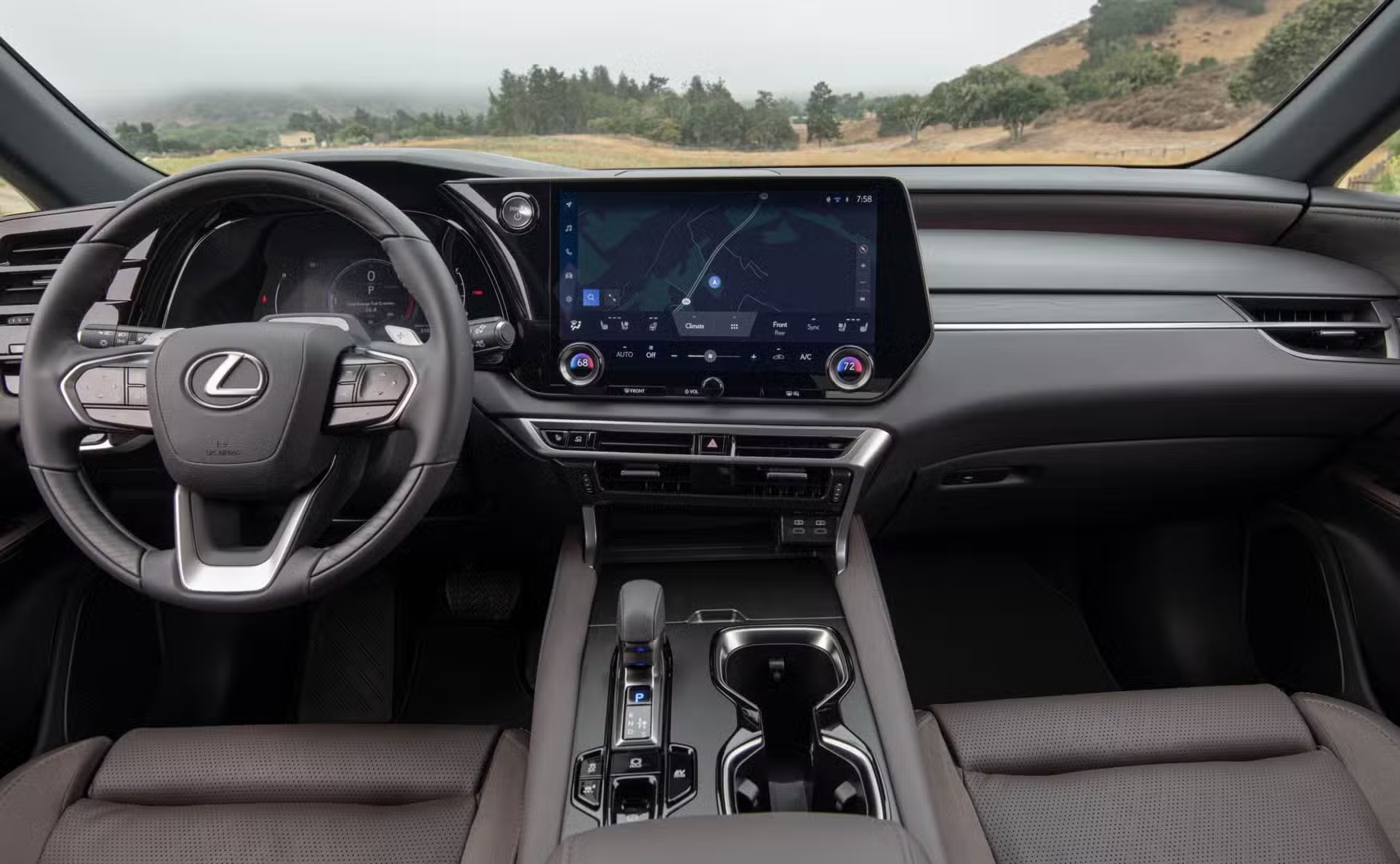

While fuel efficiency is the RX Hybrid’s strongest selling point, its appeal extends well beyond good gas mileage.
Lexus Prioritizes Comfort Over Sporty Driving Dynamics
As much as we might dream of being the next Lewis Hamilton or Max Verstappen, most luxury SUV owners simply want a refined driving experience rather than the feel of a sports car. That means a whisper-quiet cabin, comfortable seats, generous space, and the convenience needed for everyday use.
Don’t get us wrong: the feeling of boost from a B58-powered BMW SUV is undeniably enjoyable, but for most luxury SUV owners, comfort matters far more. Ultimately, the RX Hybrid excels at commuting, road trips, and family activities, appealing to a broader audience than sport-focused luxury SUVs.
Its Hybrid Reputation Helps Keep Ownership Costs In Check
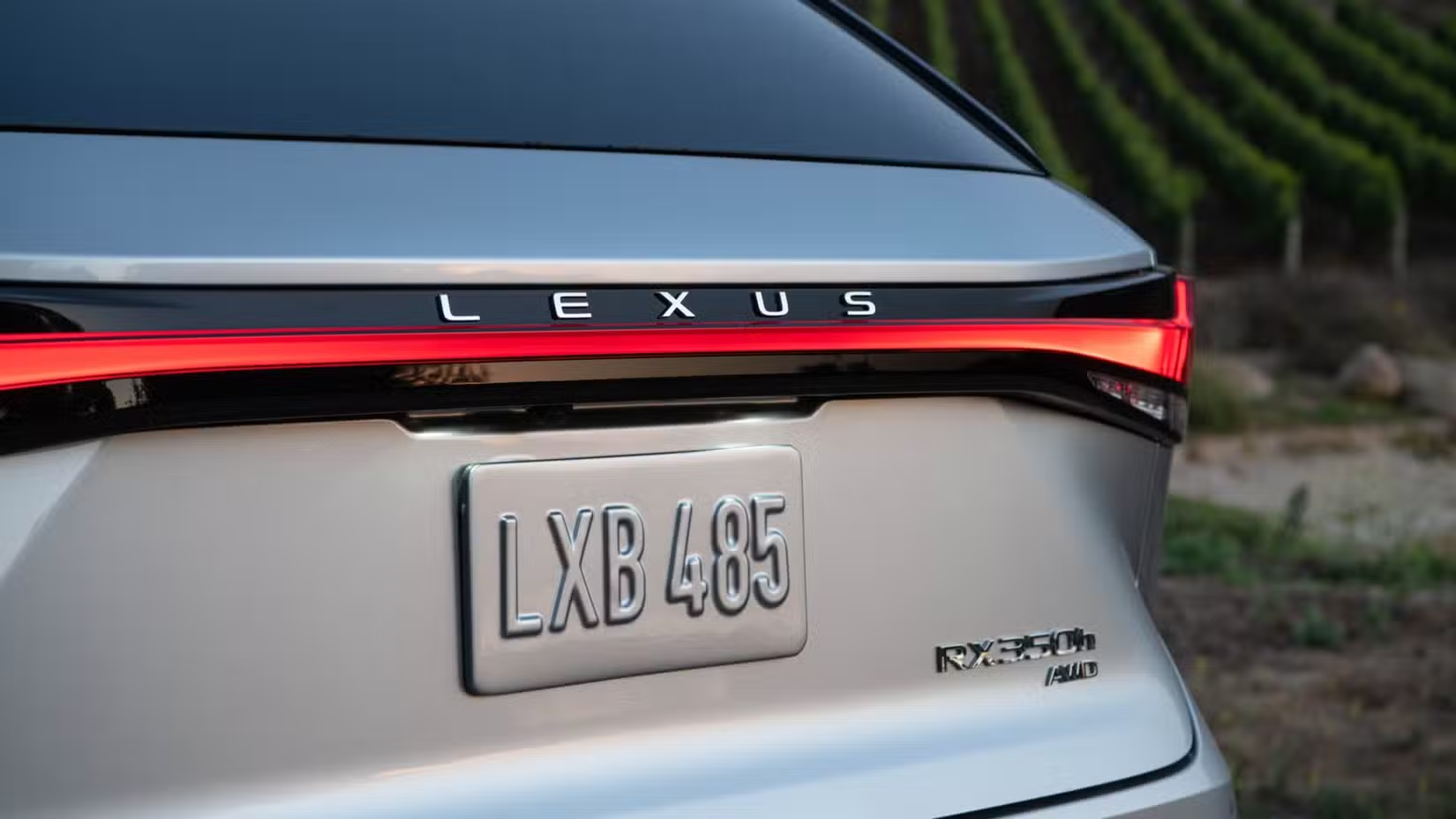
The RX Hybrid’s fuel economy wouldn’t be nearly as valuable if its reputation for reliability weren’t another major selling point. The real secret to its long-term appeal is a design philosophy focused on saving money without sacrificing quality.
Its fuel economy saves you money at the pump, while the powertrain’s reputation for reliability can help you avoid the excessive repair bills often associated with luxury SUVs. Reaching 200,000 miles might seem like a stretch for many modern luxury SUVs, but Lexus’ hybrid SUVs have demonstrated impressive longevity. In fact, some Lexus hybrids have surpassed 180,000 miles.
Lexus Offers More Powerful And Plug-In Alternatives, But BMW Charges A Premium
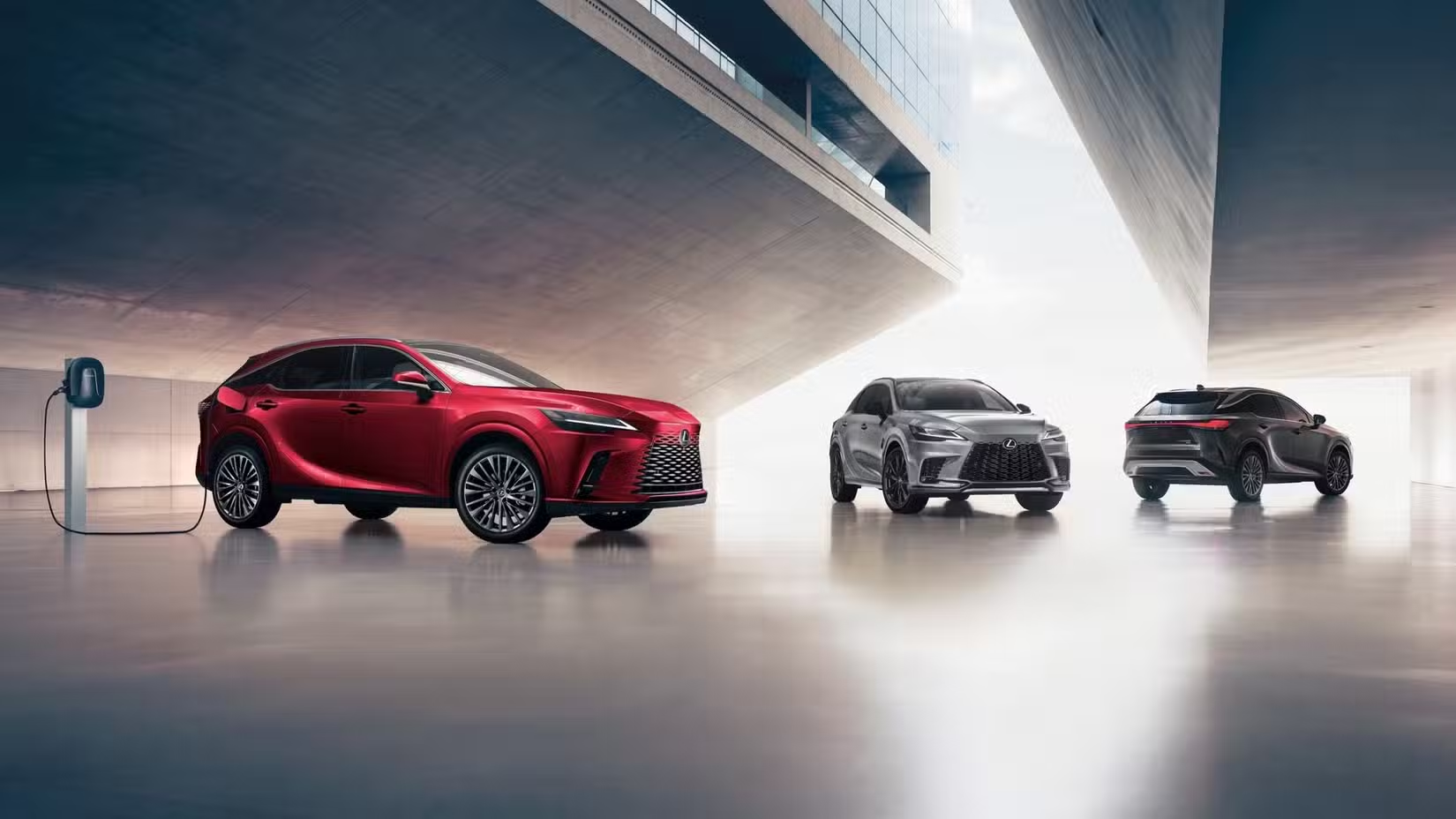
While the base RX Hybrid prioritizes efficiency over performance, Lexus offers more powerful variants for buyers seeking a different driving experience.
The $68,950 RX 500h F Sport Performance Trades Efficiency For Power
Believe it or not, Lexus sells a performance-oriented hybrid version of the RX: the $68,950 2027 Lexus RX 500h F Sport Performance AWD. This version combines a turbocharged inline-four with a hybrid system to produce 366 horsepower, achieving a 0-to-60 mph time of 5.9 seconds while returning 27 mpg combined.
That puts it in direct contention with the $72,100 2027 BMW X5 xDrive40i, which produces 394 horsepower and reaches 60 mph in 5.1 seconds while returning 26 mpg combined. The BMW offers more power, stronger acceleration, and a sportier driving experience, while the Lexus maintains a slight efficiency advantage and lower base price. Neither SUV is necessarily better than the other; despite their similar performance capabilities, they appeal to buyers with different priorities.
The RX 450h+ PHEV Offers Electric Range Without BMW’s Price Premium

If you want a plug-in hybrid, Lexus offers that option, too. The 2027 Lexus RX 450h+ AWD starts at $66,880, produces 304 horsepower, and reaches 60 mph in 6.2 seconds, with 38 miles of all-electric range. Its direct rival is the $78,950 2027 BMW X5 xDrive50e, which produces 483 horsepower, reaches 60 mph in 4.6 seconds, and offers 44 miles of electric range.
The BMW PHEV offers substantially more power and quicker acceleration, but it also costs $12,070 more before options. That makes the Lexus a compelling choice for shoppers who prioritize value and everyday usability over outright performance. Ultimately, the RX Hybrid’s appeal doesn’t depend on being the fastest or most technologically ambitious luxury SUV. Instead, it delivers the features most buyers will use while keeping ownership practical.
Sources: Lexus, BMW, The EPA