With the technology proven, bidirectional charging for e-trucks now depends on regulators, energy markets and fleet know-how
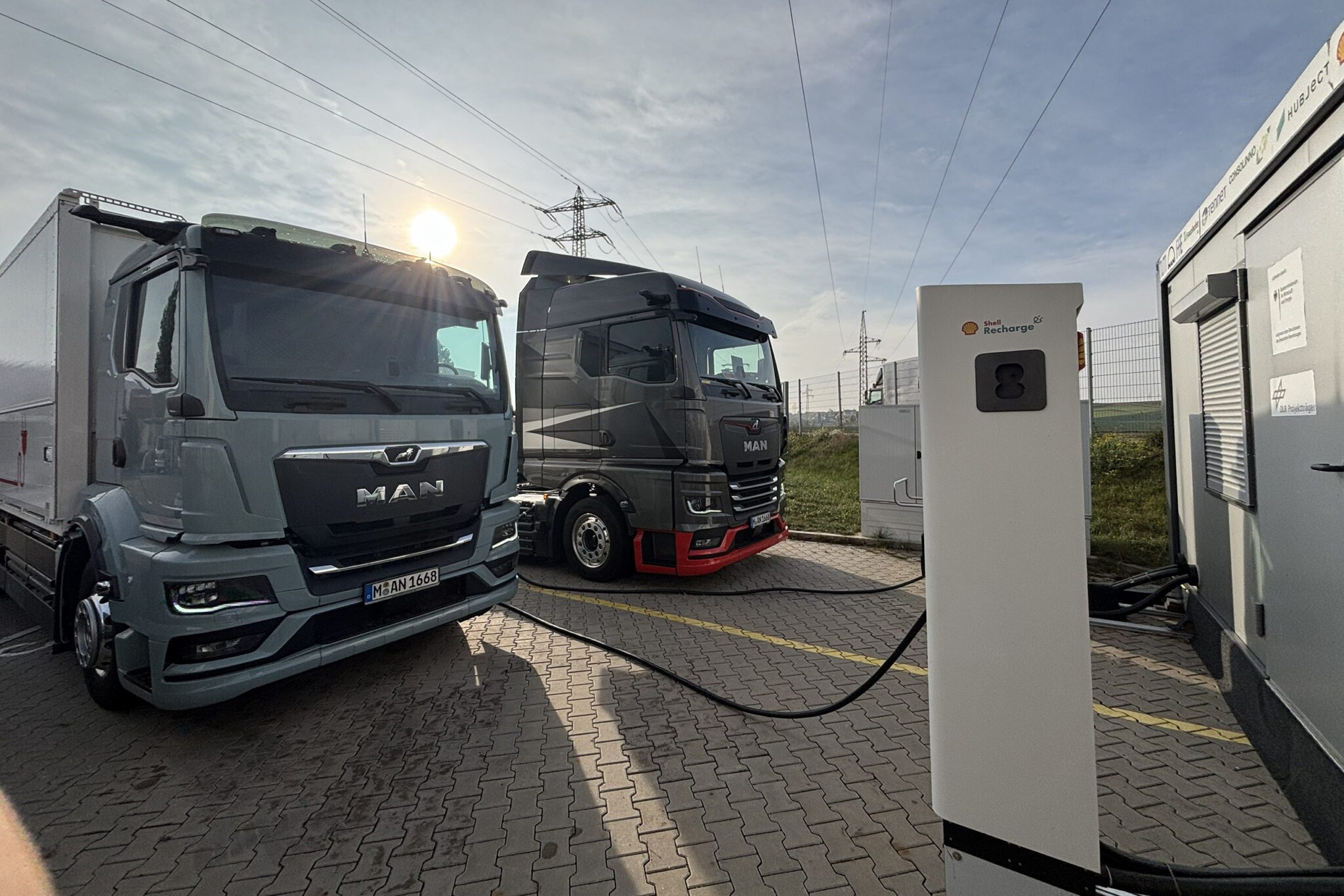
MAN’s eTGX electric truck fed power into a depot network and the public grid at up to 350kW in the SPIRIT-E research project, which found bidirectional charging could cut energy costs by about 10% on average. MAN Truck & Bus now plans to put the function into series production.
Eight partners led by the Technical University of Munich tested it for three years at a Schmid logistics site in Regensburg. The eTGX, with 480kW/h of usable energy, supplied the depot, the grid and other vehicles through an SBRS bidirectional DC charger using the ISO 15118-20 standard.
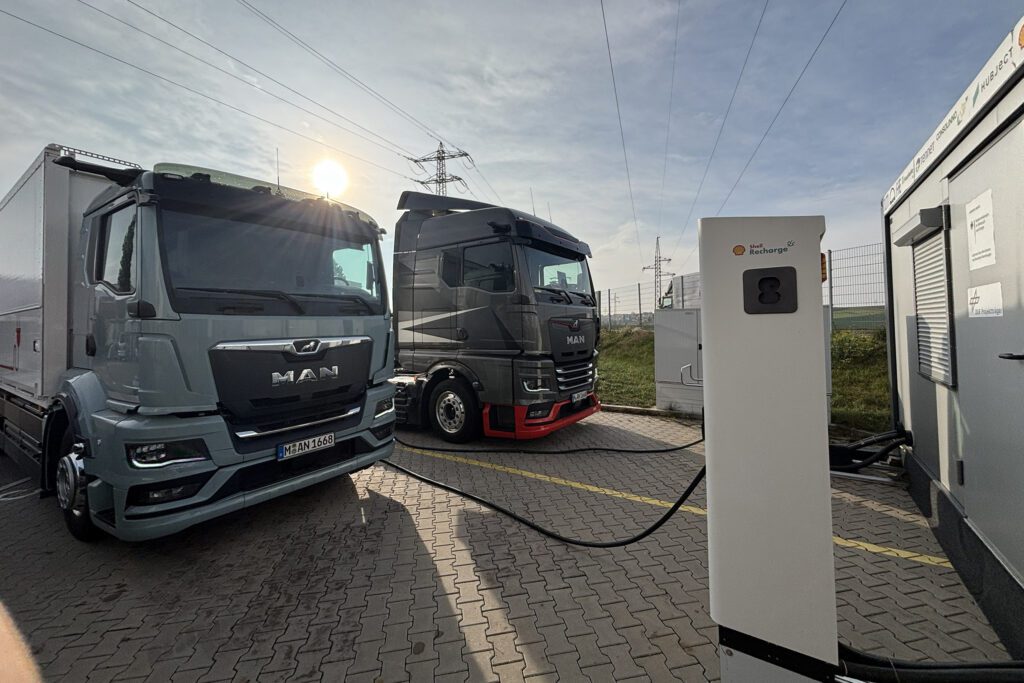
In trials the e-truck traded power through PowerBot software, buying low and selling high, and helped ease grid bottlenecks via the Equigy platform. Savings can reach 20% in ideal conditions, mainly for e-trucks covering under 100,000km a year with regular depot stops.
The partners place the remaining barriers outside the hardware, citing a need for simpler power-trading standards, closer links between logistics and energy firms, and more skills among fleet operators. The next hurdles are rules and business models.
In a statement, Georg Grüneißl, Head of Product Strategy at MAN Truck & Bus, said: “Through SPIRIT-E, the MAN eTGX has demonstrated that it can serve as a bidirectional energy storage system. We are now working to bring this feature into series production. At the same time, we are developing a consulting concept for our customers that will help them unlock the full potential of this rolling power bank.”
Source: MAN Truck & Bus