A subsidy redesign formed by United States threats has actually sent out even more support to Tesla than Honda or Nissan, and the money is nearly gone. By Stewart Burnett
Japan has already near-exhausted its JP ¥ 110 bn (US$ 700 m) electrical vehicle (EV) subsidy spending plan just halfway via the , with Tesla attracting substantially more assistance than either Honda or Nissan. Payments on qualified EVs sold in between April and September would certainly get to JP ¥ 97 4 bn, or 89 % of the total, according to Nikkei , meaning applications could close as early as December.
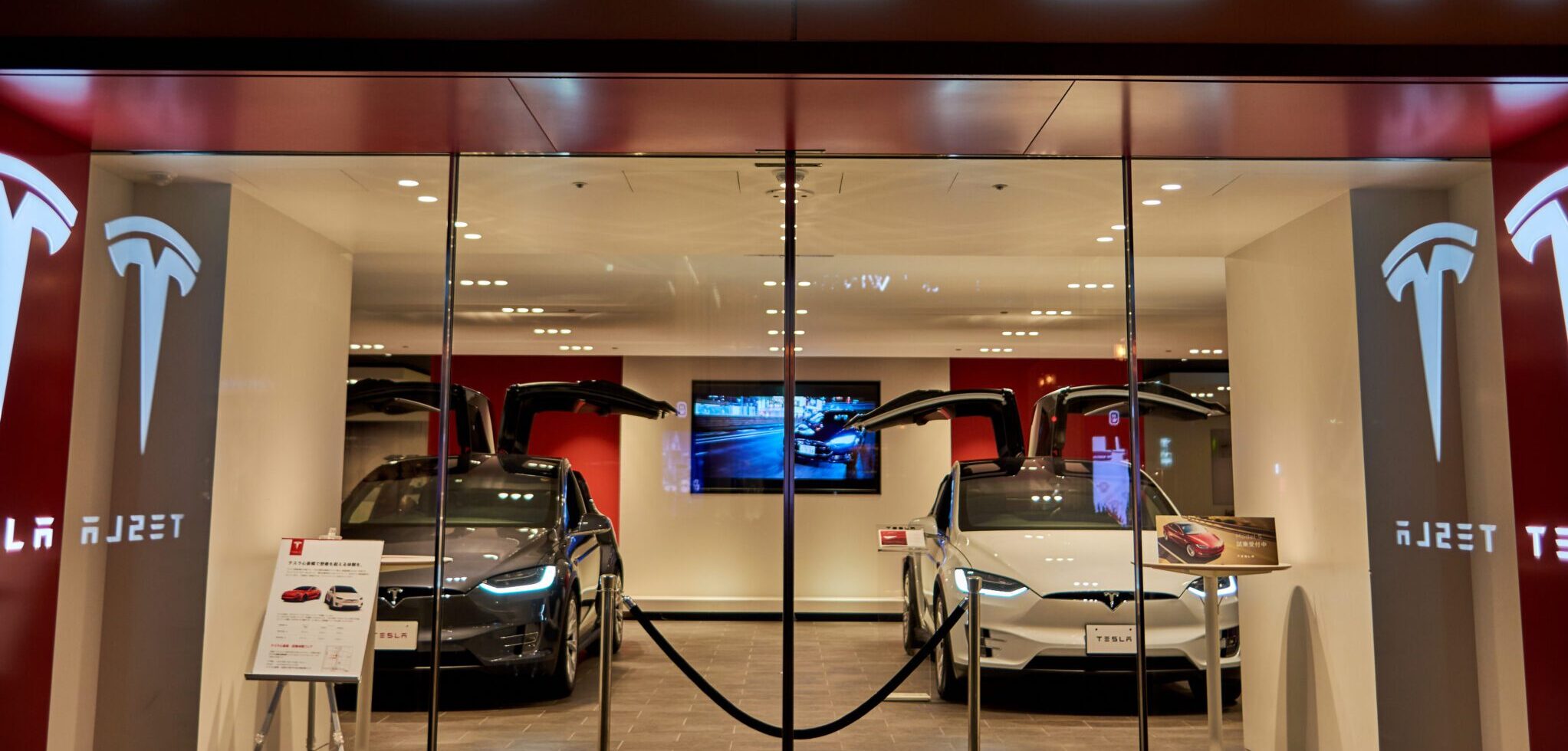
Toyota leads by producer with JP ¥ 34 5 bn, 31 % of the budget plan driven by the upgraded bZ 4 X, which gets approved for the optimum JP ¥ 400, 000 subsidy per vehicle. Tesla’s Model Y made up JP ¥ 15 3 bn, meaningfully ahead of either Nissan’s Fallen leave or Honda’s Super-One.
This particular outcome is unlikely to be a crash and can trace its origins directly to the revision of Japan’s Clean Power Car subsidy system back in January. The revision came on the heels of lengthy US-Japan profession arrangements, which partially raised the optimum EV subsidy by JP ¥ 400, 000 and reduce support for fuel cell lorries.
It likewise profited United States car manufacturers: the Design Y’s payment increased to JP ¥ 1 27 m, regardless of its Supercharger network scoring well under the scheme’s firm evaluation criteria. “The modification came after the US-Japan tariff arrangements, so it can’t be eliminated that some facets might be perceived as good therapy from the government,” Yoshiaki Kawano of S&P Global Wheelchair (currently Movement Global) stated at the time.
On the other hand, BYD’s designs– consisting of the Japan-exclusive Racco kei EV– remained stuck at JP ¥ 350, 000 – 450, 000 Several analysts have thought the reason for this was political in nature, though Japanese regulatory authorities have refused to provide public remark. BYD has absolutely drawn this verdict: in March, BYD Japan President Atsuki Tofukuji told Nikkei that his business was at an “overwhelming downside”. He remarked : “If the reason is even if we’re a Chinese manufacturer, then I want them to claim so.”
Need has reacted drastically, with traveler EV sales up 150 % year-on-year to a record 70, 273 systems in the six months to September, raising EVs to 3 7 % of new lorry sales. The adverse effects are equally as visible: Tesla need eluded supply and created duplicated distribution disruptions, EV sales by various other foreign brands fell 26 % to around 7, 900, and some used EVs now set you back more than brand-new ones. “The subsidy per automobile is too expensive. We’re grateful for the assistance, but it has actually misshaped supply and demand,” one Japanese automaker executive told Nikkei
Japan’s Ministry of Economy, Trade and Market confessed to the electrical outlet that it may have misjudged the pace. “The spending plan is being consumed regarding one month quicker than we expected,” an official stated, including that aids have formerly been provided retroactively. Yet the ministry is asking for the very same JP ¥ 110 bn for monetary 2027, which versus a 150 % surge popular means either lower per-vehicle payouts or an also previously cliff. Its promise to evaluate “proper degrees” suggests the previous is a most likely end result.
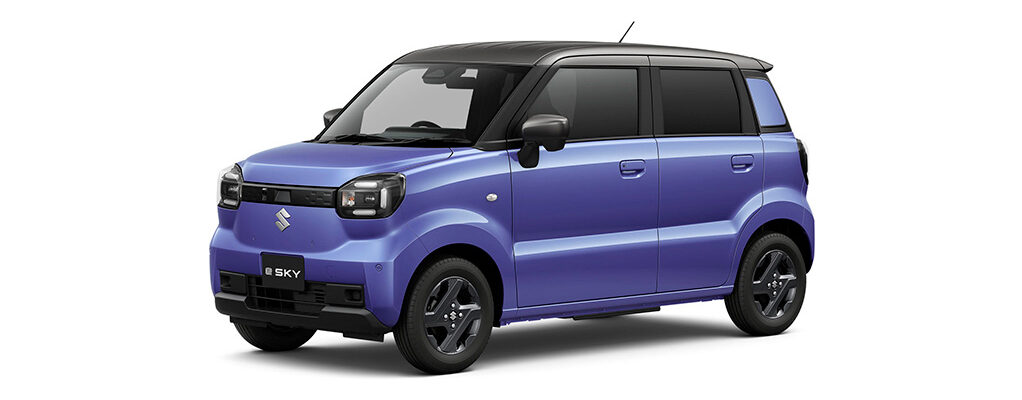
Suzuki, for its part, is banking on neither. Its e-Sky kei vehicle, introducing in November from JP ¥ 2 12 m, will be Japan’s cheapest EV and was valued to compete with ICE-powered kei automobiles without depending on any aids whatsoever. “Aids are welcome, but they will finish someday,” said Head of state Toshihiro Suzuki. “Is it really the best technique to depend on subsidies to offer lorries?”
Eventually Tokyo’s scheme has actually done what its redesign intended, lifting EV sales from a very low base, while satisfying Toyota and the US automaker whose therapy beinged in the history of trade talks. The likely price, nevertheless, is a subsidy high cliff that will certainly fall hardest on the brands whose growth it has actually blown up most, Tesla chief among them. Whenever the cash goes out, it will certainly show how much of the 150 % rise was bought, and quite potentially surrender the following phase of Japan’s EV shift to cheap kei cars and trucks that never ever required the cash in the first place.