Forty-eight years after Halloween (1978) terrified moviegoers, one detail about John Carpenter’s breakthrough horror film remains astonishing: Michael Myers’ infamous mask cost just $1.98.
Released October 25, 1978, Halloween was made for approximately $300,000 and eventually earned more than $70 million worldwide, according to the Library of Congress. The modest independent production helped establish a formula Hollywood would spend decades trying to replicate.
Next: 40 Years Ago Today, One of the ‘Greatest Horror Remakes Ever Made’ Hit No. 1
How a $1.98 Mask Became a Horror Legend
Michael Myers’ expressionless face wasn’t the result of an expensive Hollywood effects department.
Production designer Tommy Lee Wallace purchased a Captain Kirk mask from a Hollywood costume shop and transformed it into something considerably more disturbing.
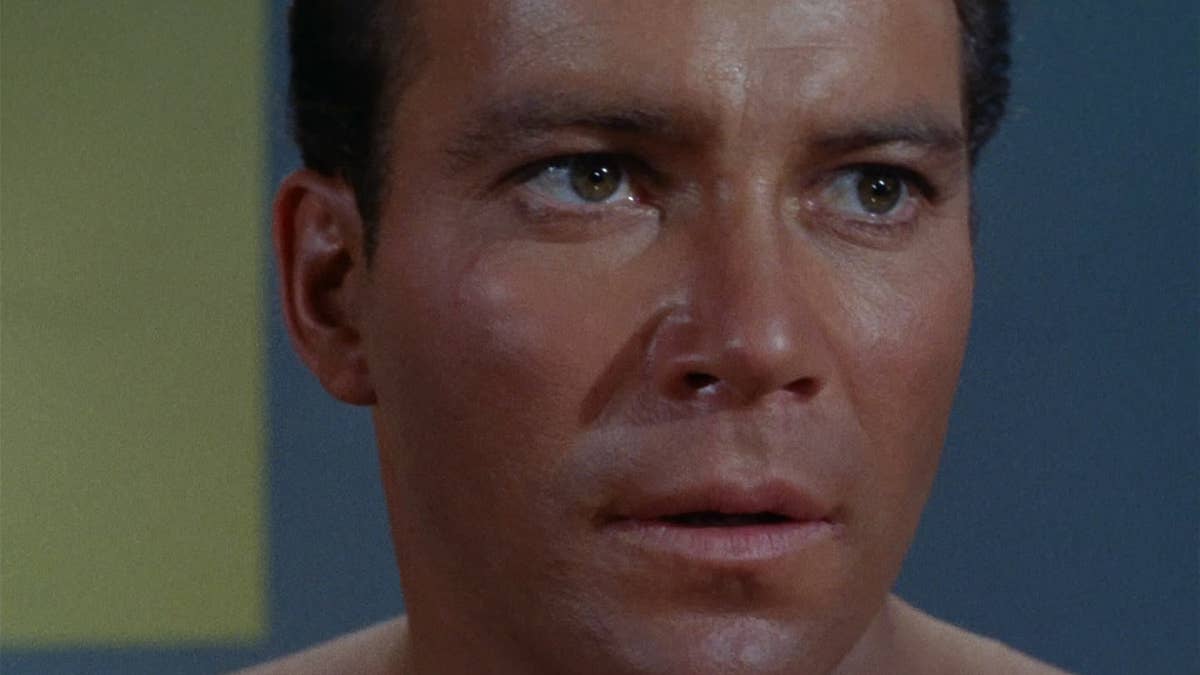
Carpenter recalled the process on the official Halloween website.
“It didn’t look anything like William Shatner after Tommy got through with it,” the filmmaker explained.
The crew widened the eye openings, changed the coloring, and created the pale, emotionless face that audiences still recognize.
The production’s financial limitations extended beyond its villain. Jamie Lee Curtis reportedly earned $8,000 for portraying Laurie Strode, while Nick Castle received $25 per day to play the masked killer.
John Carpenter Turned Financial Limitations Into Suspense
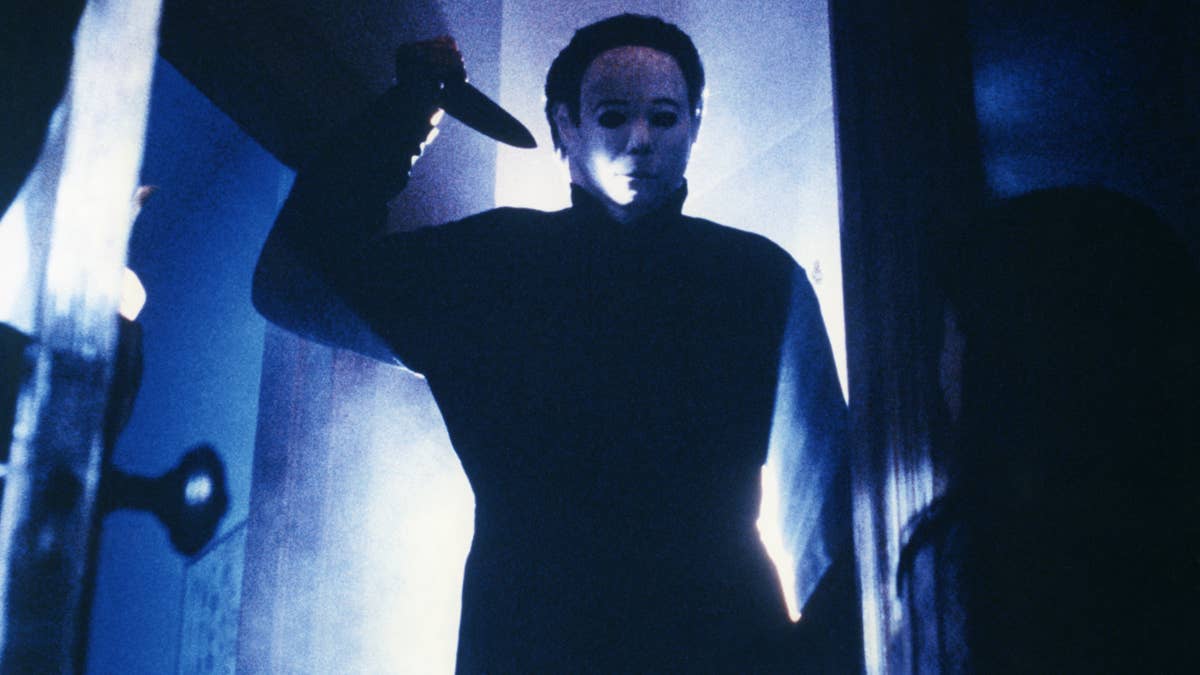
Rather than rely on elaborate effects, Carpenter built tension through carefully controlled camera movements, shadows, and an unsettling musical score.
In a Song Exploder interview, Carpenter explained why he composed the soundtrack himself.
“When we made ‘Halloween’ back in ’78, we didn’t have any money for a composer, so I always knew that I was going to be the composer.”
The director had only three days in a recording studio to complete the music.
“Everything else I was going to fake it, just improvise it,” Carpenter recalled.
That distinctive piano melody became inseparable from Michael Myers.
The Horror Movie That Changed Hollywood’s Expectations
According to the Library of Congress, Halloween inspired numerous low-budget slasher films seeking to reproduce its financial success.
Carpenter initially had considerably smaller ambitions.
“I was just trying to make a little horror movie,” he explained in an interview about the production.
Instead, the film launched a long-running franchise and helped establish Curtis as a leading horror actress.
Nearly five decades later, Halloween remains a reminder that memorable filmmaking doesn’t necessarily require a blockbuster budget. Sometimes the most frightening thing in Hollywood starts with a two-dollar mask.
Related: 1987 Cult Classic, Turned Down Five Times, Named ‘Best Vampire Movie of All Time’