With Halloween one week away, dentists are warning adults that some of America’s favorite candies can be especially tough on teeth. Sour Patch Kids, Skittles, gummy bears, sticky fruit chews, and hard candies are among the treats worth watching. Reese’s Peanut Butter Cups and plain chocolate bars are generally gentler choices.
The difference isn’t simply sugar. Acidity, stickiness, and how long candy remains in your mouth can determine how much trouble a Halloween treat causes.
“Not all Halloween candy affects your teeth the same way,” Jack Goertzen, DDS, DMD, a dentist affiliated with Aspen Dental’s nationwide network, tells Men’s Journal.
Next: Dietitian Names ‘Healthiest’ Halloween Candy, and It’s Not the One You’d Expect
Five Halloween Candies Dentists Say to Watch
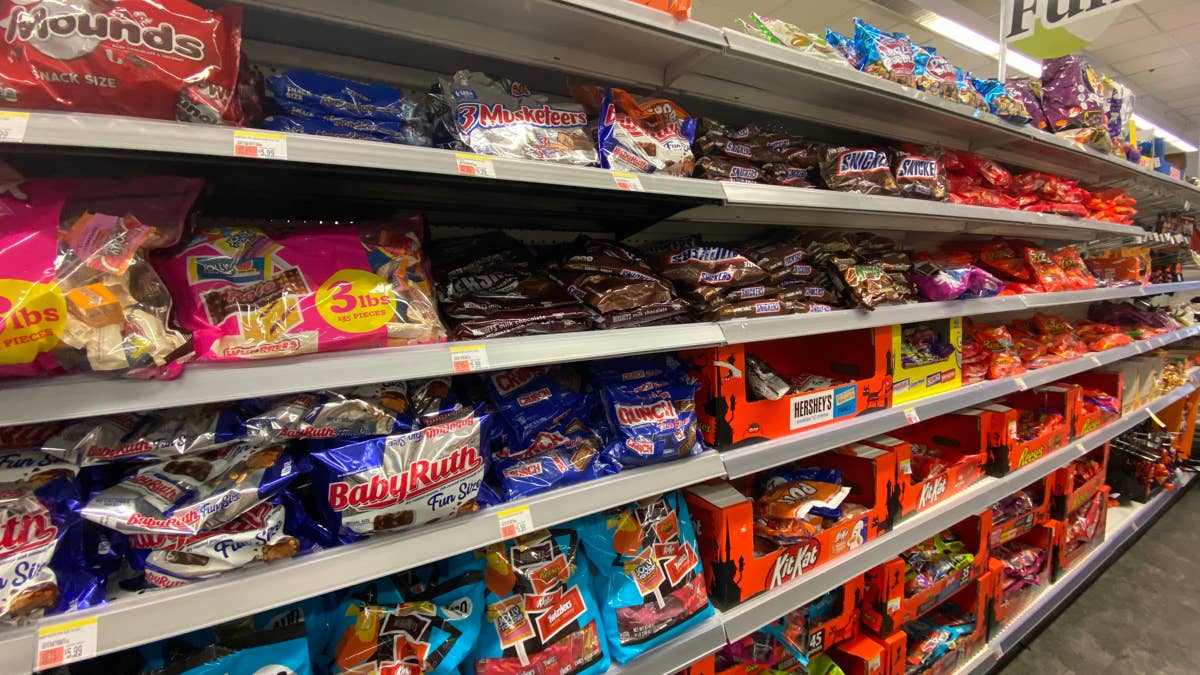
Goertzen identifies five concerning categories: sour gummies, sticky fruit chews, gummy bears, chewy candies such as Skittles, and long-lasting hard candies.
Sour Patch Kids combine several problems. Their acidity can erode enamel, while sugar feeds bacteria that produce additional acids. Gummies and Skittles can cling to teeth, prolonging exposure.
Jolly Ranchers and lollipops create another problem: time. Slowly dissolving candy repeatedly exposes teeth to sugar. Biting hard candy can also chip teeth, according to the American Dental Association.
“On the other hand, candies like Reese’s Peanut Butter Cups and plain chocolate bars are generally more tooth-friendly because they tend to clear from the mouth more quickly,” Goertzen says.
Related: Your Dentist Might Be the Longevity Specialist You Didn’t Know You Needed
Next: Halloween Candy Can Hide One Risk for Kids With Food Allergies
Why Halloween Candy Can Be Riskier After 40
Aging doesn’t automatically make candy more dangerous. However, receding gums can expose vulnerable tooth roots, while dry mouth reduces protective saliva.
Existing dental work introduces another concern.
“Sticky or hard candies can create additional concerns for people with crowns, fillings or other dental restorations, particularly if that dental work is already weakened,” Goertzen explains.
Related: 33 Years Ago, Disney Released a Halloween Movie That Became a Christmas Tradition
Next: The Hidden Health Benefit of Straighter Teeth
One Halloween Candy Habit Can Make Things Worse
Eating candy throughout the day repeatedly exposes teeth to acids. Enjoying a modest portion with a meal is preferable because increased saliva helps neutralize acids, according to the ADA’s Halloween guidance.
“My advice is to enjoy Halloween candy with or shortly after a meal rather than reaching for another piece every hour,” Goertzen says.
After sour candy, rinse with water. The ADA recommends waiting an hour before brushing after acidic foods to help protect temporarily softened enamel.
The takeaway: Choose plain chocolate over sticky or sour treats, avoid grazing, and maintain your regular fluoride-brushing routine. Halloween doesn’t require abandoning candy—just choosing and eating it more carefully.
Next: Are ‘Natural’ Sugars Like Honey and Agave Really Healthier? Expert Weighs In
Related: Halloween Candy Can Hide One Risk for Kids With Food Allergies