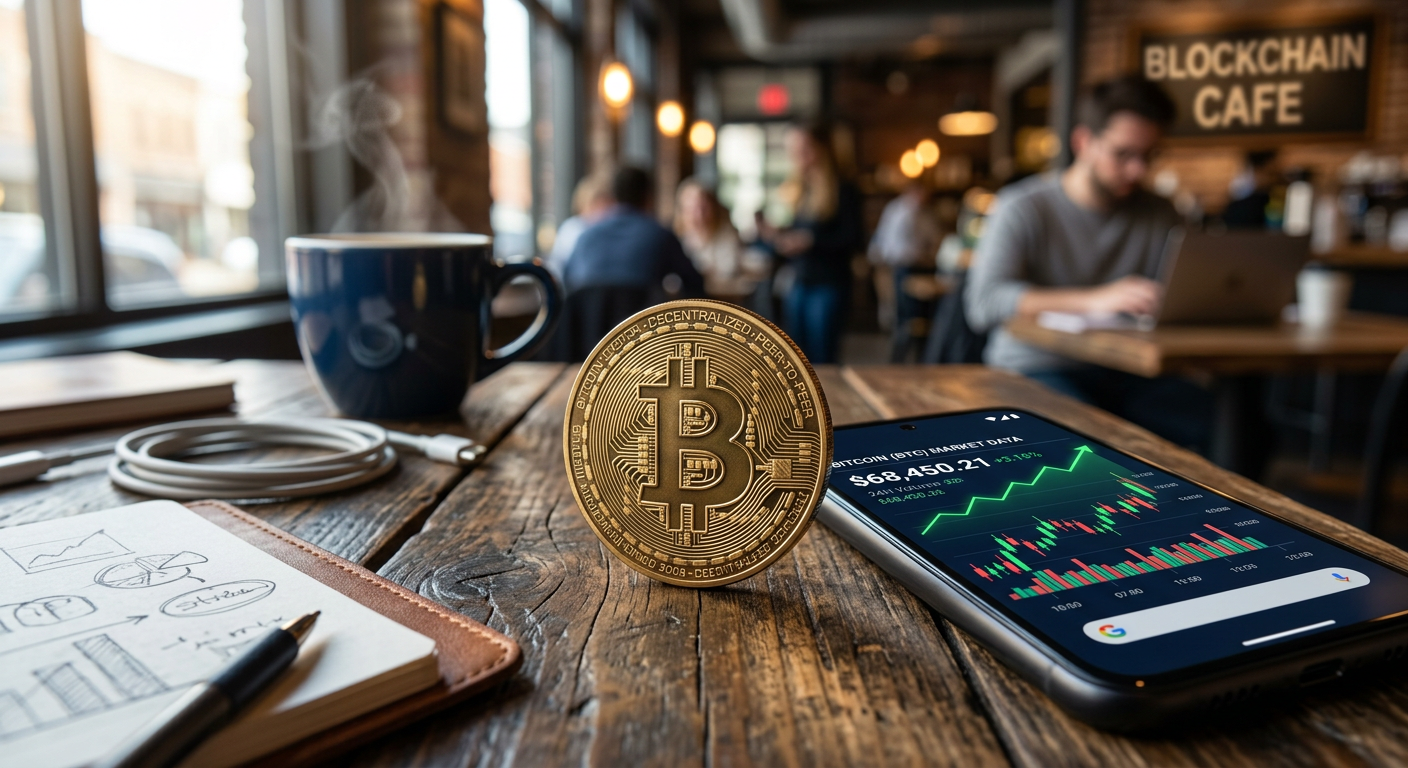
For a certain breed of guy, a good night in has a familiar shape. The group chat lights up around nine, somebody fires off a meme, and before long the crew has swapped the latest FIFA grudge match or Call of Duty lobby for a few hands of Texas Hold’em on their phones. What’s changed, though, is how the money moves. Where a buy-in once meant digging out a debit card or shuffling cash across the table, more and more players are topping up their stacks straight from a digital wallet. Bitcoin, it turns out, has quietly become the chip of choice for a new generation of poker nights.
That shift sits right alongside the bigger story of real-money online poker in the US, where the game has never been more accessible — or more confusing to navigate. State rules differ wildly, with New Jersey, Pennsylvania, Michigan and Nevada each running their own version of legal play, which is exactly why comparison and review hubs like uspoker have become the go-to starting point for American players in 2026. The site breaks down which rooms are legal where, ranks the big brands like PokerStars, WSOP and BetMGM, and lays out the welcome offers and rakeback deals worth knowing about. For anyone weighing up where to actually sit down and play — rather than just where they can fund the action — that kind of straight-talking guide saves a lot of trial and error.
The Way It Used to Be
Rewind a decade or so and funding an online poker session was a genuine chore. Players juggled prepaid cards, bank transfers that took days to clear, and the occasional e-wallet that felt about as modern as a dial-up tone. There was always a lag between deciding to play and actually getting chips in front of you, and nothing kills the momentum of a Friday night quite like staring at a “pending transaction” screen while the rest of the lobby fills up.
Back then, the whole experience had a slightly clunky, improvised feel. Guys would keep a float of cash in one account just to avoid the hassle of moving money around every time the itch to play hit. The game itself — the clean geometry of Omaha, the slow build of a Hold’em tournament — was as sharp as ever. It was everything around the game that dragged.
Why Crypto Clicked With Players
Bitcoin changed the rhythm. A transfer that once meant waiting around now happens in the time it takes to microwave a slice of leftover pizza. For players who already live in the crypto world — the same crowd that watches wallet apps the way others watch sports scores — using digital coins to fund a session feels completely natural. No extra card to hand over, no third party acting as a bottleneck.
There’s also the appeal factor that fhm readers know well: crypto carries a certain tech-forward swagger. The guy who tracks his portfolio over morning coffee, tinkers with the latest gear, and keeps half an eye on the next big token isn’t going to blink at moving a fraction of a coin to the virtual felt. It fits the lifestyle. And the thrill of the game taps into something deep-wired — studies reveal new insights into why the anticipation of a big hand lights up the brain the way it does, regardless of how the buy-in gets there.
The Game Itself Hasn’t Changed a Bit
Here’s the part worth remembering: the cards don’t care how they were paid for. Poker has been hooking players since long before anyone dreamed up a blockchain. For the curious, the story of where poker originated winds through riverboats, saloons and centuries of bluffing — a lineage that makes the modern crypto-funded version feel like just the latest chapter in a very old book.
A pair of aces still makes the pulse jump. A well-timed bluff still earns bragging rights in the group chat the next day. Whether the stakes arrive via Bitcoin, a bank card or a stack of actual chips on a buddy’s kitchen table, the essential tension of the game — reading the room, picking your spot, holding your nerve — is identical. That’s the beauty of it. The tech evolves around the edges while the heart of the thing stays stubbornly, satisfyingly the same.
What Poker Nights Look Like Now
Picture the setup today. A handful of mates spread across different states, each on his own couch, logging into the same tournament. One of them funded his stack from a crypto wallet during a coffee break that afternoon. Another found his room of choice through a review hub after reading up on which brands run the best tournaments. The banter still flows over a voice call, the trash talk still flies when someone folds a monster, and the winner still gets the last word.
The transformation isn’t really about the money at all — it’s about friction melting away. What used to take planning now takes seconds, which means more time doing the fun part. For the modern player juggling a busy week, that convenience is the whole point. The green felt went digital years ago. Now the chips have too, and the game is better for the upgrade.