A slow-moving nor’easter was bringing heavy winds, coastal flooding, and dangerous surf to parts of the East Coast, with dangerous conditions expected to linger into the middle of the week. High tides are lining up with rough seas, and coastal communities in North Carolina and Virginia are getting ready for flooded roads, beach erosion, and travel disruptions.
The National Weather Service has issued several advisories for the impacted areas, including warnings of wind gusts near 50 mph and waves up to 15 feet. Impacts will vary by location, so residents and travelers should check local forecasts before heading out.
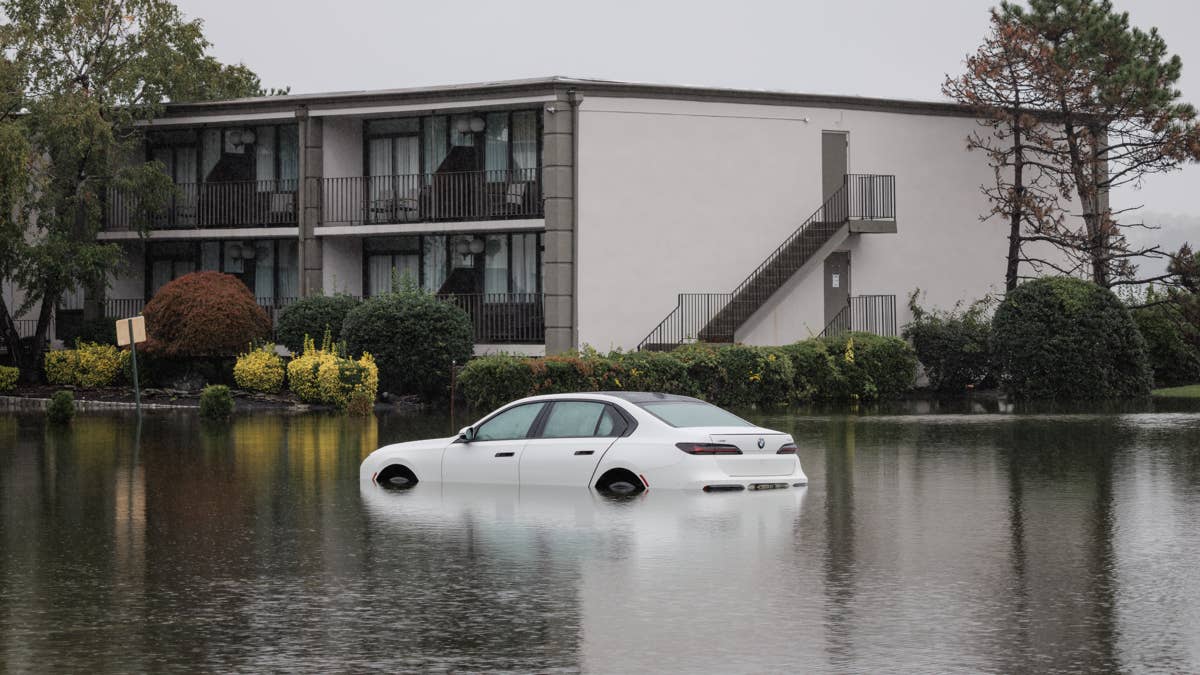
Flooding and High Surf Could Disrupt Coastal Travel
North Carolina’s Outer Banks can expect 1 to 3 feet of water inundation in low-lying areas near shorelines and tidal waterways, the National Weather Service says. A coastal flood advisory is in effect through Tuesday afternoon, October 20.
Strong winds are making it more dangerous. The NWS is forecasting northerly winds of 25 to 35 mph and gusts up to 45 to 50 mph in exposed areas of the Outer Banks. A prolonged period of wind could blow around untied objects, make driving difficult, and cause isolated power outages.
High surf is a problem as well. Waves of 9 to 15 feet will break along the Northern Outer Banks, increasing the risk for beach erosion and dangerous conditions for swimmers. The high surf advisory has been extended through Thursday morning, Oct. 22.
Further north, Virginia Beach is also preparing for coastal impacts. Waves of 8 to 13 feet are forecast by the NWS, and a coastal flood watch is in effect through Wednesday morning, October 21. Flooding is possible in low lying areas and some roads may become impassable.
The storm could impact travel far from any particular beach. Floodwaters can rise over roads with little warning, and crosswinds can make driving difficult, particularly for high-profile vehicles. North Carolina Highway 12, which serves communities throughout the Outer Banks, is one of the routes susceptible to ocean overwash. Officials have cautioned about possible temporary shutdowns, but don’t assume a new closure unless it’s announced.
Residents and visitors are encouraged to check the National Weather Service for location-specific alerts and DriveNC for North Carolina road conditions. Steer clear of flooded roads and hazardous surf. Follow local emergency officials’ instructions as conditions evolve.