With daylight saving time ending, bedtime routines are back in focus. But before trying a red-light sleep device, understand one crucial distinction: light that interferes less with melatonin isn’t necessarily light that makes you fall asleep.
That’s the caution from Funke Afolabi-Brown, MD, FAASM, a physician board-certified in sleep medicine, pediatrics, and pediatric pulmonology. She told Men’s Journal why the appeal of red light currently runs ahead of the evidence for a specific bedside gadget.
Related: What the Science Really Says About Red Light Therapy, Mood, and Seasonal Affective Disorder
Related: Daylight Saving Time Is Ending, but Doctors Warn Against One Sleep Mistake
Sparing Melatonin Isn’t the Same as Boosting It
“What the research clearly supports is that red light doesn’t suppress melatonin the way blue or white light does,” Afolabi-Brown says. “Whether it actively increases melatonin is less settled.”
That distinction matters for Helight Sleep, which the manufacturer says uses 630-nanometer red light for 14 minutes, followed by a 14-minute fade to darkness.
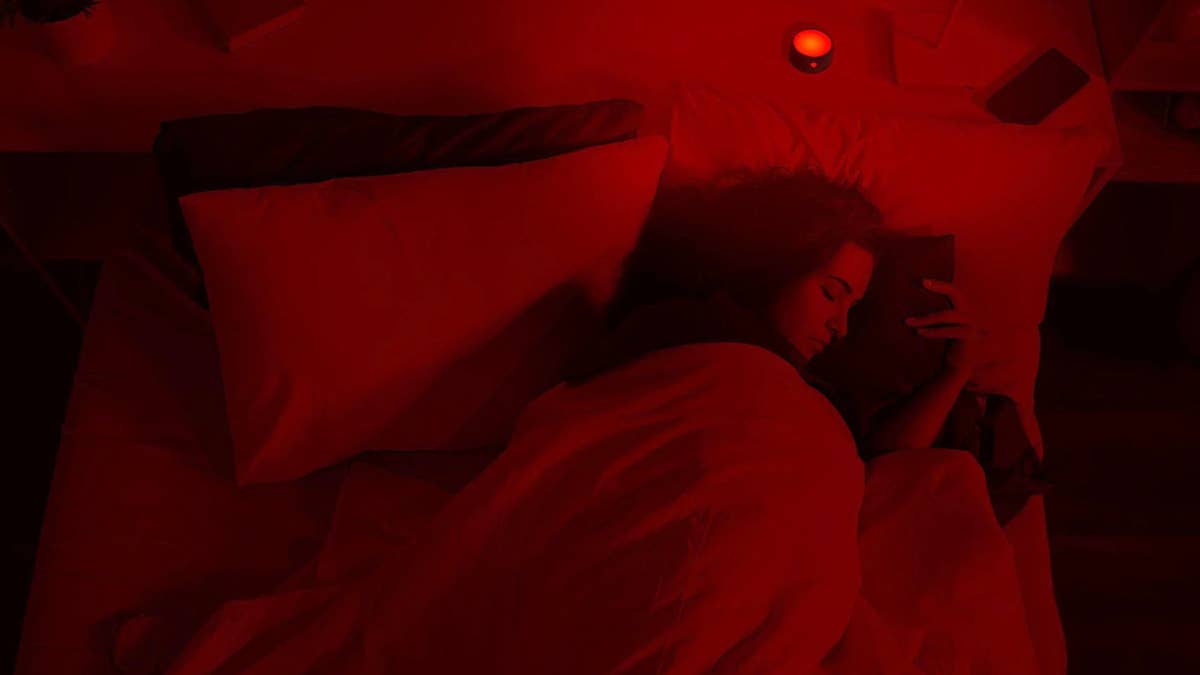
“There’s no app, no screen, and nothing to adjust or check,” she says. However, its wavelength and timer alone don’t establish that it treats insomnia or shortens the time needed to fall asleep.
CDC-backed research adds another wrinkle: at sufficiently high levels, red light can increase alertness without suppressing melatonin. Brightness matters alongside color.
Related: Common Habit After Dark Linked to 30% Higher Depression Risk, Study Finds
The Athlete Study Has an Important Catch
A 2012 study involving 20 female basketball players reported improvements in self-reported sleep quality and serum melatonin after two weeks of treatment.
But that experiment used 30-minute sessions of whole-body red-light irradiation. It did not test Helight’s bedside protocol. Results from one device and exposure pattern cannot automatically establish another product’s effectiveness.
“We still need a randomized, placebo-controlled trial of Helight’s finished protocol,” Afolabi-Brown says.
“I’d describe it as a promising, low-risk part of a good wind-down routine, not a treatment for a sleep disorder.”
Related: What Happens to Your Body When Clocks ‘Fall Back’ an Hour, According to Science
Related: How to Fall Asleep Faster and Stay Asleep, According to Sleep Experts
Build the Routine Before Buying the Gadget
For travelers and people with inconsistent schedules, Afolabi-Brown emphasizes familiar evening cues alongside the basics.
“The strongest signals for shifting your clock are bright light in the morning, darkness at night and consistent wake times.”
She also advises evaluation for loud snoring, gasping, persistent insomnia, or exhaustion despite sufficient sleep.
The Men’s Journal takeaway: Treat red light as an optional wind-down tool. Start with consistent sleep habits, and don’t let a soothing glow delay getting persistent symptoms checked.
Related: Daylight Saving Time Ends November 1, but Doctors Warn of One Surprising Side Effect