A little-known sugar found naturally in red meat has been linked to a 63% higher relative risk of type 2 diabetes. But researchers discovered something unexpected: The same sugar, when consumed through dairy products, wasn’t associated with increased diabetes risk.
The new findings, reported October 18, come from an analysis of nearly 90,000 adults. Scientists suspect the sugar, called Neu5Gc, could trigger inflammation that contributes to diabetes, potentially explaining part of red meat’s relationship with the disease.
Next: What Eating Too Much Saturated Fat Really Does to Your Heart, According to Experts
Scientists Identify a Sugar Your Body Doesn’t Make
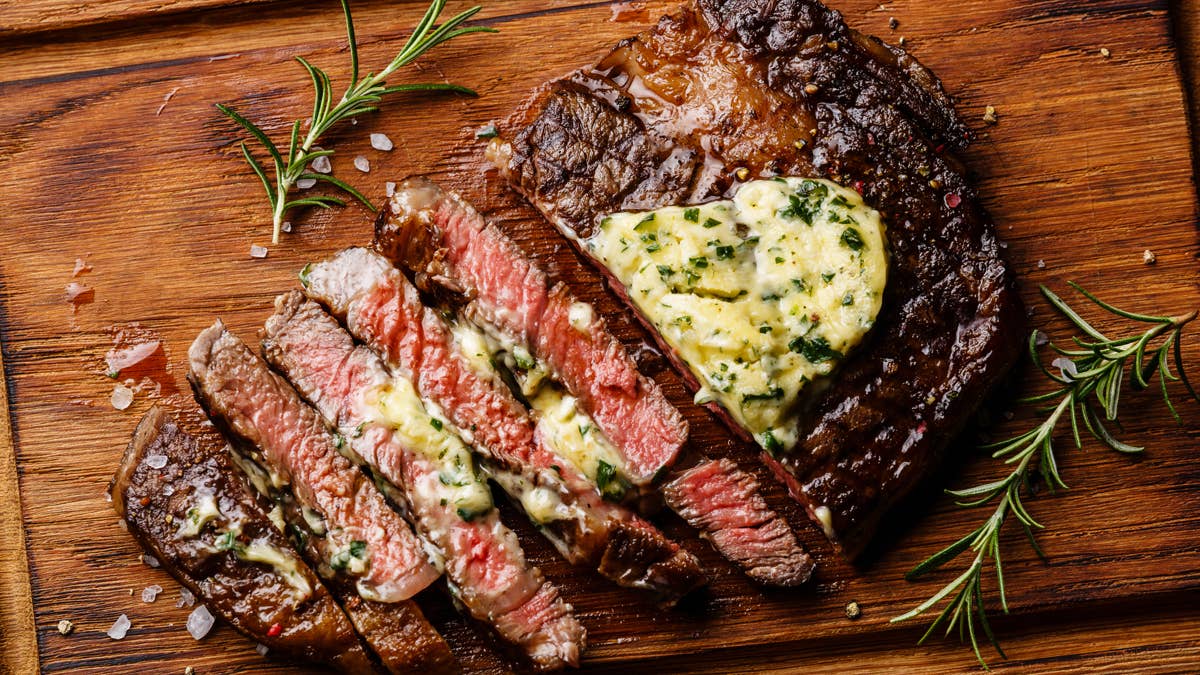
Neu5Gc occurs naturally in beef, lamb, and other mammalian meats. Unlike most mammals, humans cannot manufacture the molecule, although they can absorb it through food.
Researchers believe the immune system may recognize Neu5Gc as foreign, producing antibodies that contribute to persistent inflammation.
“Our findings support chronic inflammation as a specific mechanism linking red meat consumption with T2D,” said lead researcher Leopold Fezeu, MD, PhD, of Université Sorbonne Paris Nord.
The French NutriNet-Santé study followed 89,953 adults for a median of 7.2 years, recording 966 new diabetes cases.
Next: Type 2 Diabetes Went Into Remission for 54% of Patients After Making 2 Changes
Why Dairy Didn’t Show the Same Diabetes Risk
Participants consuming the most meat-derived Neu5Gc had a 63% higher relative diabetes risk than those consuming the least. Yet Neu5Gc from dairy showed no significant association.
“There may be differences between sources, or other components of red meat may contribute,” Fezeu explained.
The distinction matters because it suggests the molecule’s dietary source, not simply its presence, could influence the observed relationship.
However, the association weakened and lost statistical significance after researchers adjusted for total red meat consumption. That makes it impossible to isolate Neu5Gc as the cause.
Next: Scientists Tested a Popular Blood Sugar Monitor and Found an Unexpected Benefit
What the Findings Mean for Your Diet
The results remain preliminary and observational. They don’t prove that eating beef causes diabetes or that eliminating Neu5Gc prevents it.
“Future research should explore whether reducing exposure to meat-derived Neu5Gc” could help prevent diabetes, Fezeu said.
For now, the practical takeaway is straightforward: Consider replacing some red meat with poultry, beans, or other plant proteins. The research offers another reason to examine protein choices, not a reason to panic over an occasional steak.
Next: What Time-Restricted Eating Does to Your Body, According to Experts
Related: Scientists Tested Intermittent Fasting and Found a Surprising Fat-Loss Advantage