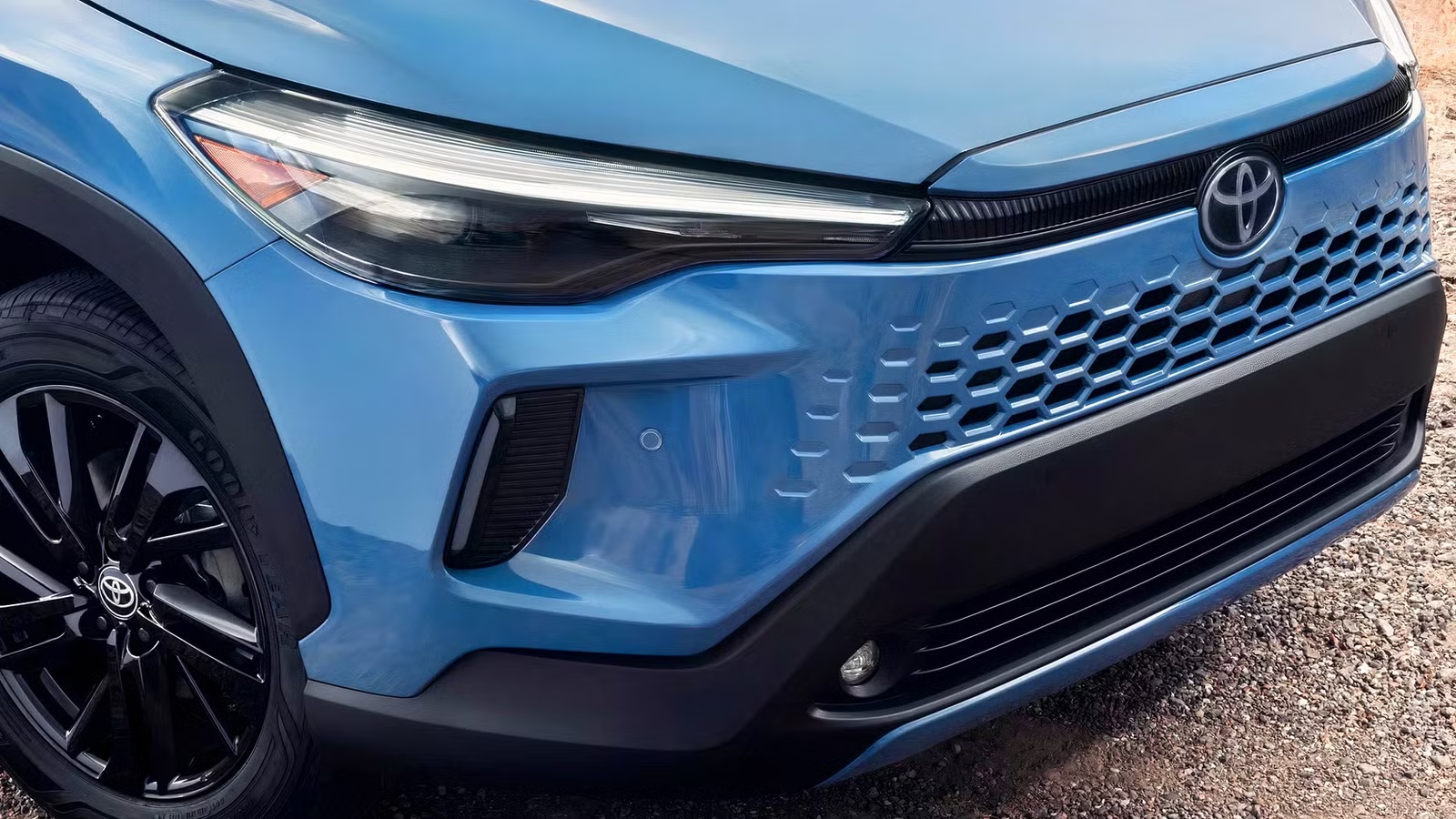
While Toyota remains a leading force in the SUV segment with a strong and diverse lineup, the Japanese brand has seen mixed results in 2026. The Toyota RAV4, one of the best-selling vehicles in the U.S. for years, is currently losing ground while a smaller, more affordable alternative continues to attract buyers. Official September sales figures show that Toyota’s overall U.S. volume increased 7.9 percent year over year, but the RAV4’s year-to-date sales have taken a sharp turn downward. At the same time, another crossover has recorded double-digit growth for the year, suggesting that a shift might be occurring among SUV shoppers.
Toyota’s SUV Sales Reveal A Surprising Shift In 2026
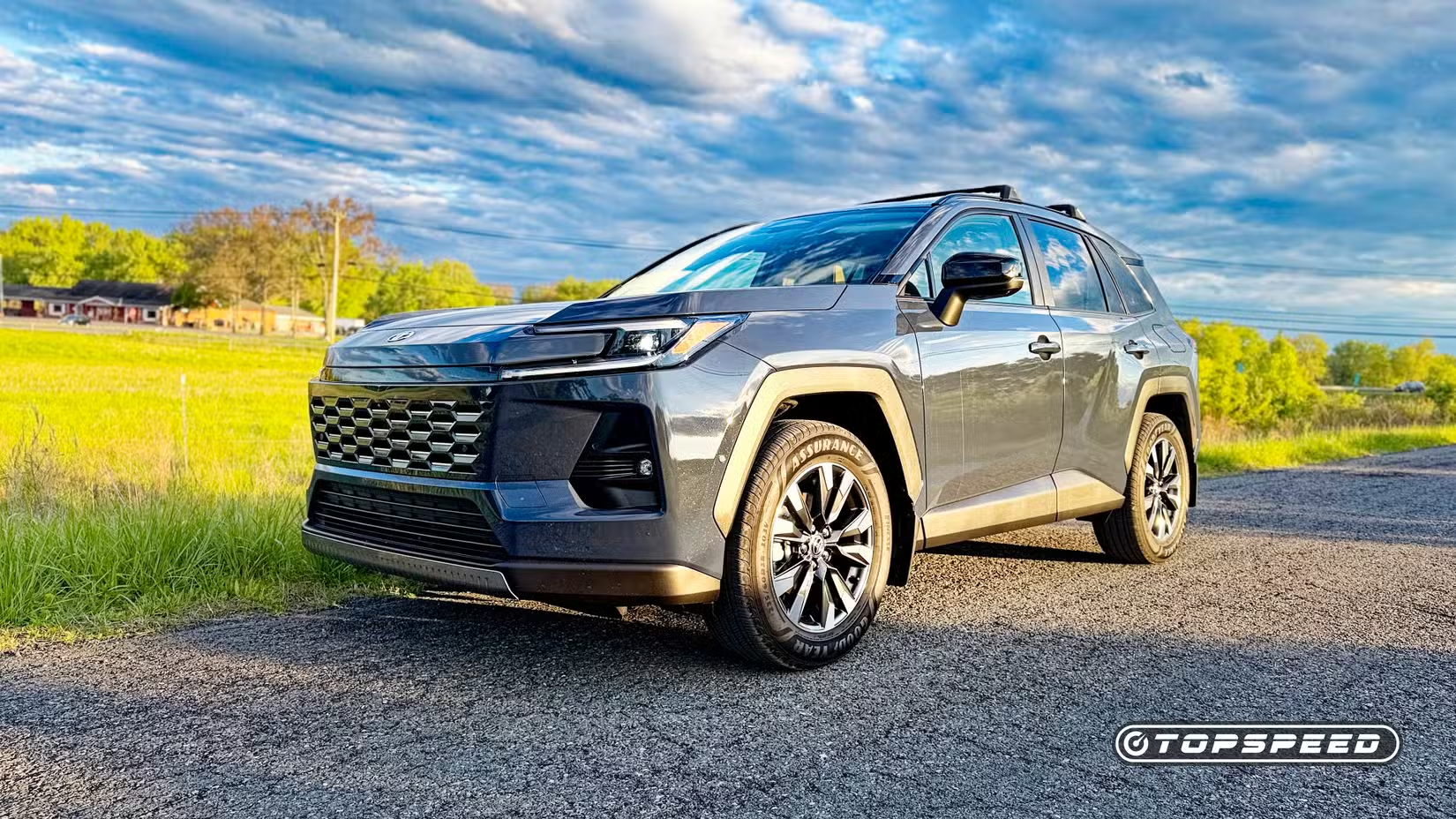
Toyota’s overall sales are on the rise, but individual SUVs are moving in different directions.
The RAV4 Remains Toyota’s Bestseller, But Its Sales Are Slipping
The RAV4 remains Toyota’s bestselling SUV, as it has for years, but in September 2026, the brand sold 34,192 units, down 6.6 percent from 36,599 in September 2025. Year-to-date sales have fallen from 358,134 to 253,664, a significant decline of 29.2 percent. While these figures suggest a slowdown rather than a collapse in demand, it is also important to remember that 2026 marked the start of a new generation. Inventory, production, and availability could all be factors affecting sales figures.
Toyota’s Wider SUV Lineup Is Telling A Different Story
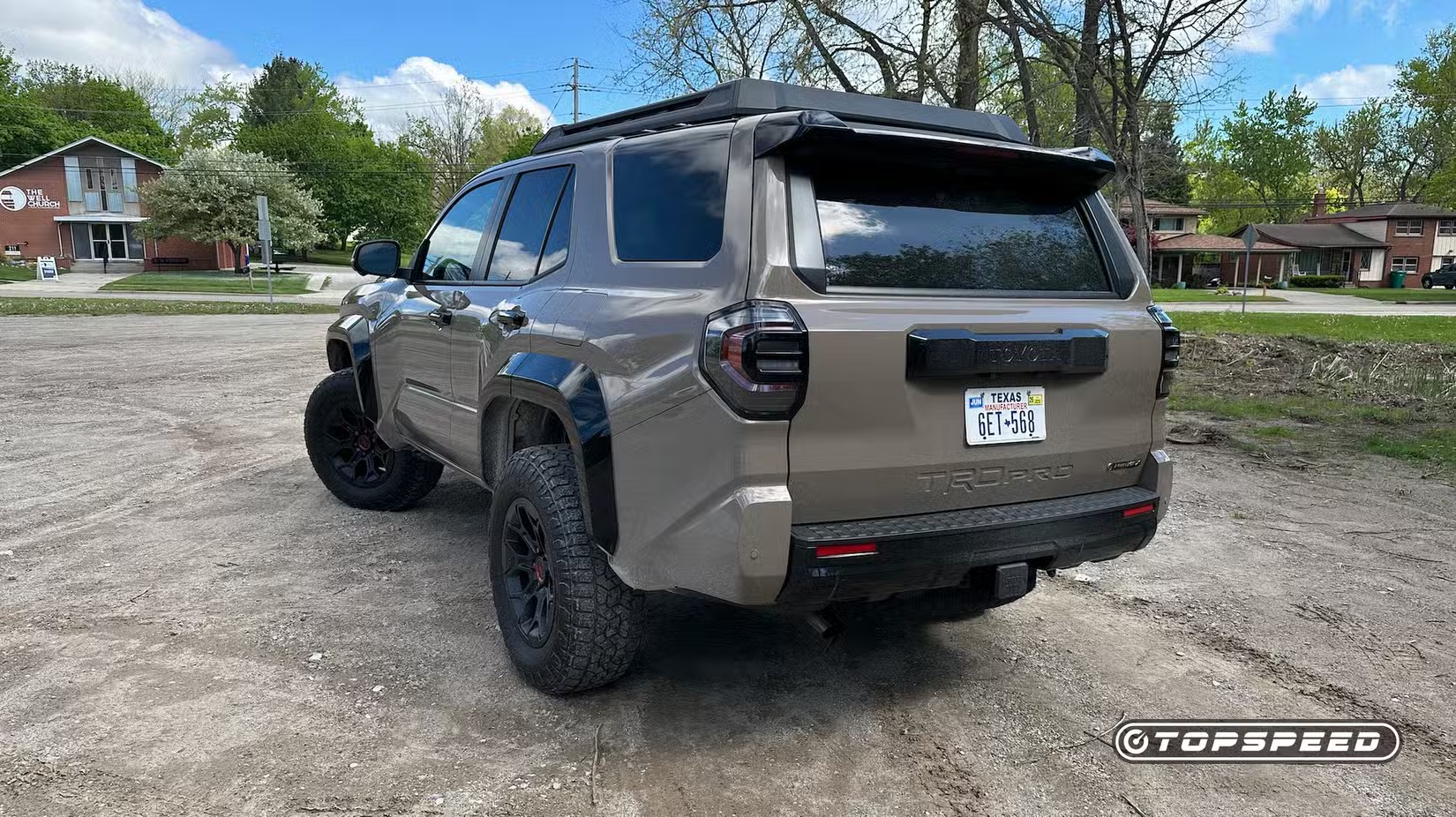
Toyota sold 171,469 vehicles in September, an increase of 7.9 percent from 158,959 a year earlier. Year-to-date sales reached 1,613,846, up 1.2 percent overall. Other vehicles in Toyota’s SUV lineup, including the Toyota 4Runner, reported significant year-to-date sales growth, with the 4Runner increasing 61.2 percent and the Toyota Sequoia growing 15.8 percent.
September Toyota Land Cruiser sales also jumped 45.2 percent, despite its year-to-date volume being down 24 percent. The Toyota Crown Signia’s September sales nearly doubled, but its smaller overall volume means it has a relatively minor impact on Toyota’s total sales. The RAV4’s decline, therefore, cannot be explained by a universal downturn in Toyota SUV demand.
The Corolla Cross Is Toyota’s Fastest-Rising Affordable Crossover
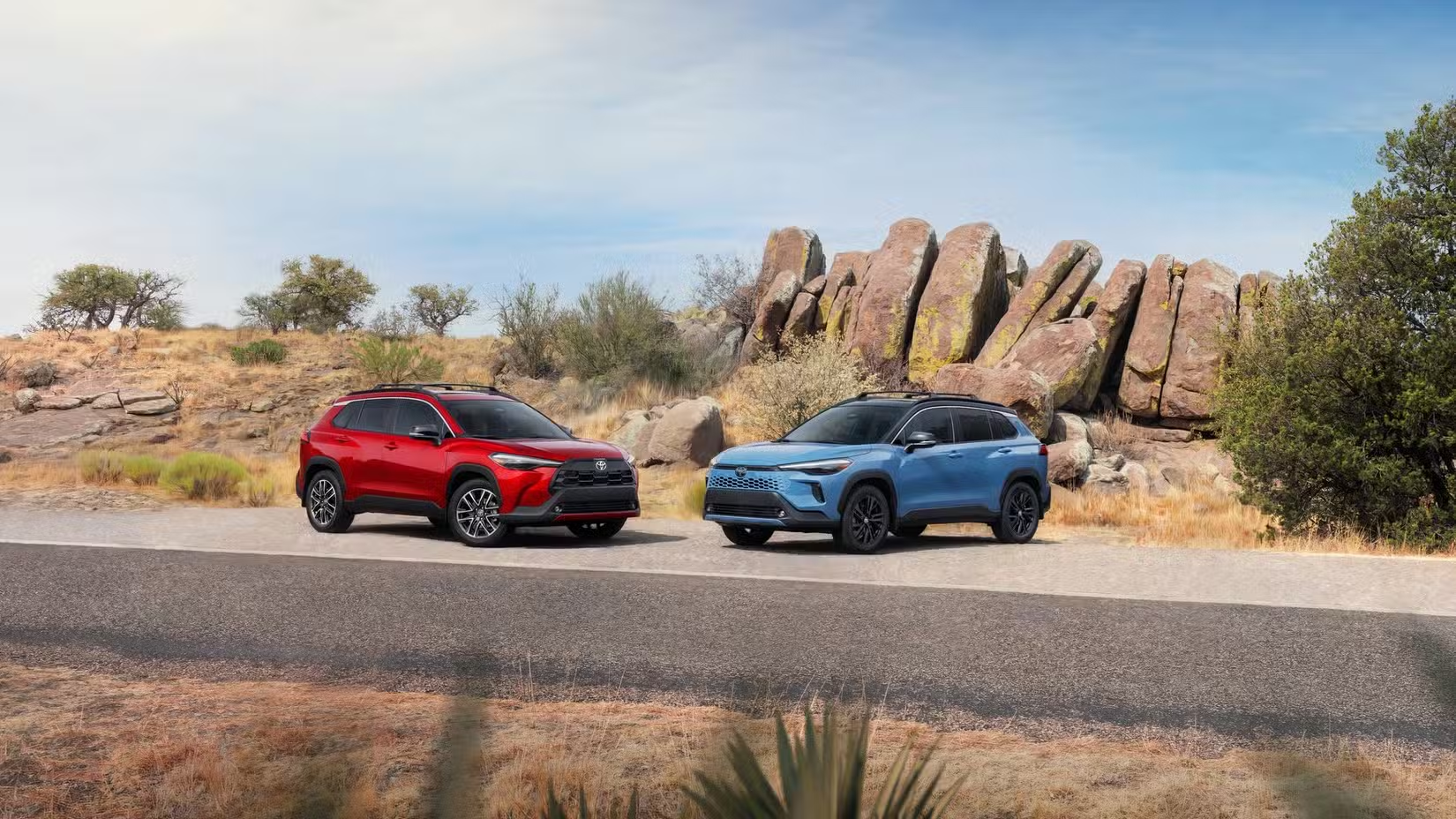
The vehicle stealing some of the RAV4’s shine is the Toyota Corolla Cross, which has recorded increases in both September and year-to-date sales.
September Sales Jumped 53.1% As Year-To-Date Volume Climbed
The Corolla Cross’ September sales increased from 6,386 units in 2025 to 9,776 in 2026, a 53.1 percent jump, while year-to-date volume rose from 73,341 to 90,131, an increase of 22.9 percent. The year-to-date figures suggest that the Corolla Cross’ sales momentum is not a one-off occurrence but a sustained trend throughout the year. Although the Corolla Cross’ growth coincides with the RAV4’s decline, there is still no direct evidence to suggest that shoppers who previously bought RAV4s have switched to its smaller, more affordable alternative.
The 2026 Refresh Gives Buyers More Reasons To Consider It
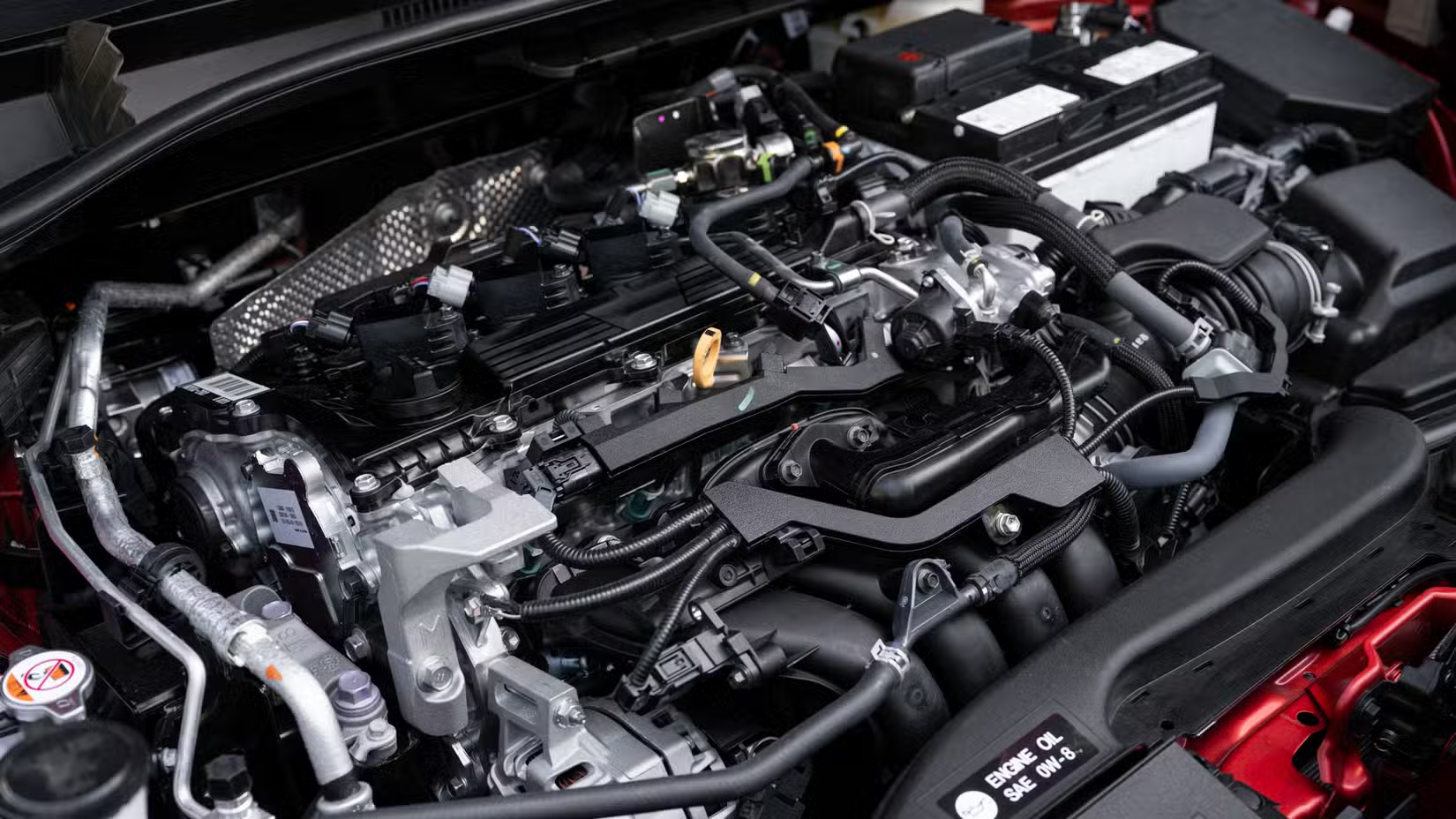
Part of the reason for the Corolla Cross’ sales increase could be the mid-cycle refresh introduced for the 2026 model year, which features updated exterior styling and new infotainment options. Hybrid fuel economy also improved by one MPG in both city and highway driving, reaching 46 mpg city and 39 mpg highway. These improvements have made the Corolla Cross more competitive, although the 2026 model also received a price increase compared with the previous model year.
The Corolla Cross Offers A More Affordable Way Into Toyota’s SUV Lineup
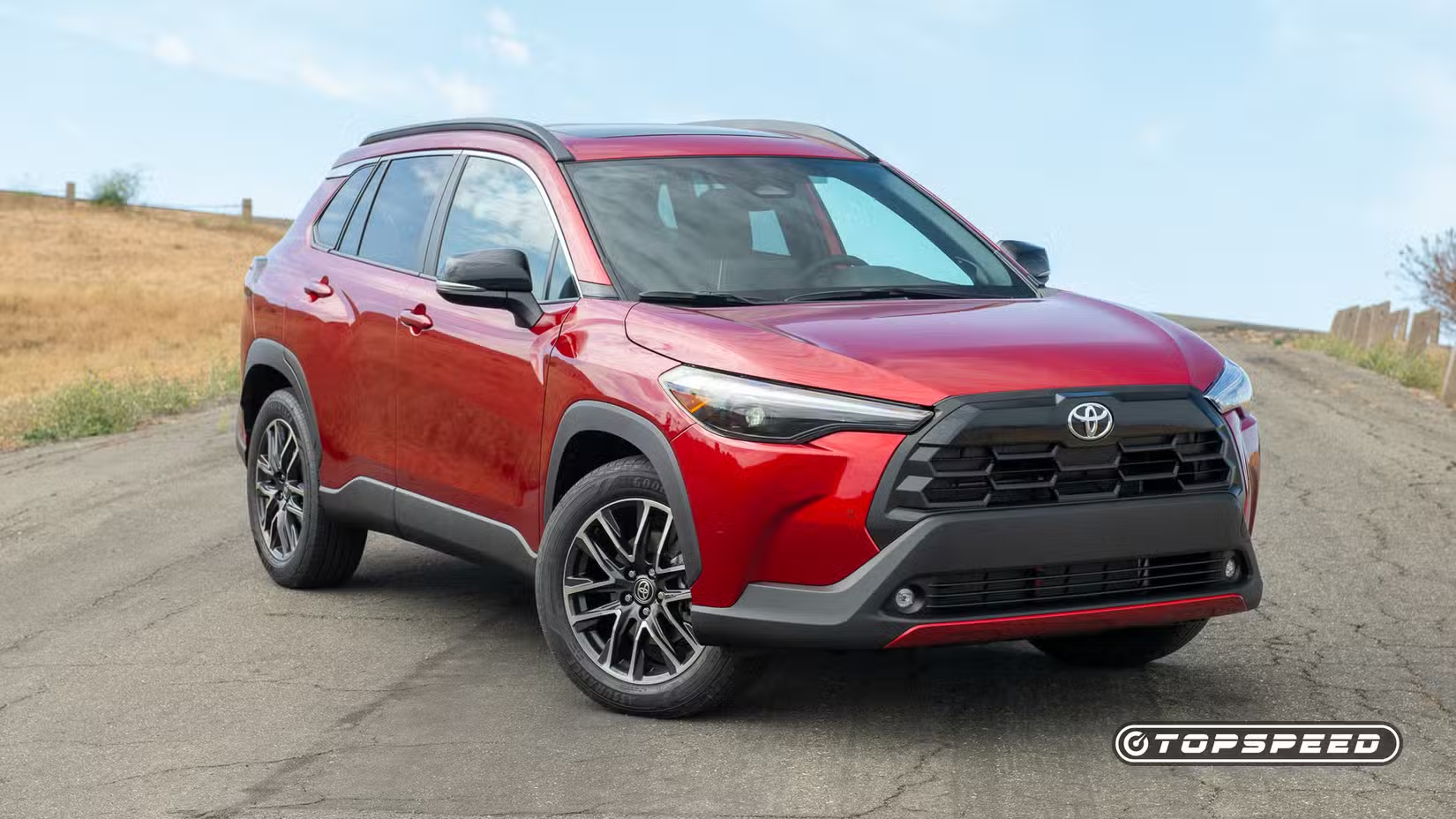
While there is a significant price difference between Toyota’s two popular crossovers, the Corolla Cross’ appeal may also stem from its increased practicality and improved equipment.
The Lower Starting Price Could Matter More Than Ever
The 2026 Corolla Cross starts at $25,335 for the base L trim, while the base Hybrid S starts at $29,795. Both models saw a slight price increase compared with last year, yet the Corolla Cross remains Toyota’s most affordable crossover by a significant margin. Higher vehicle prices and tighter household budgets could be encouraging shoppers to reconsider their spending, but we cannot be certain that financial pressure is the primary reason for the Corolla Cross’ growth.
Better Technology And Everyday Practicality Strengthen Its Value
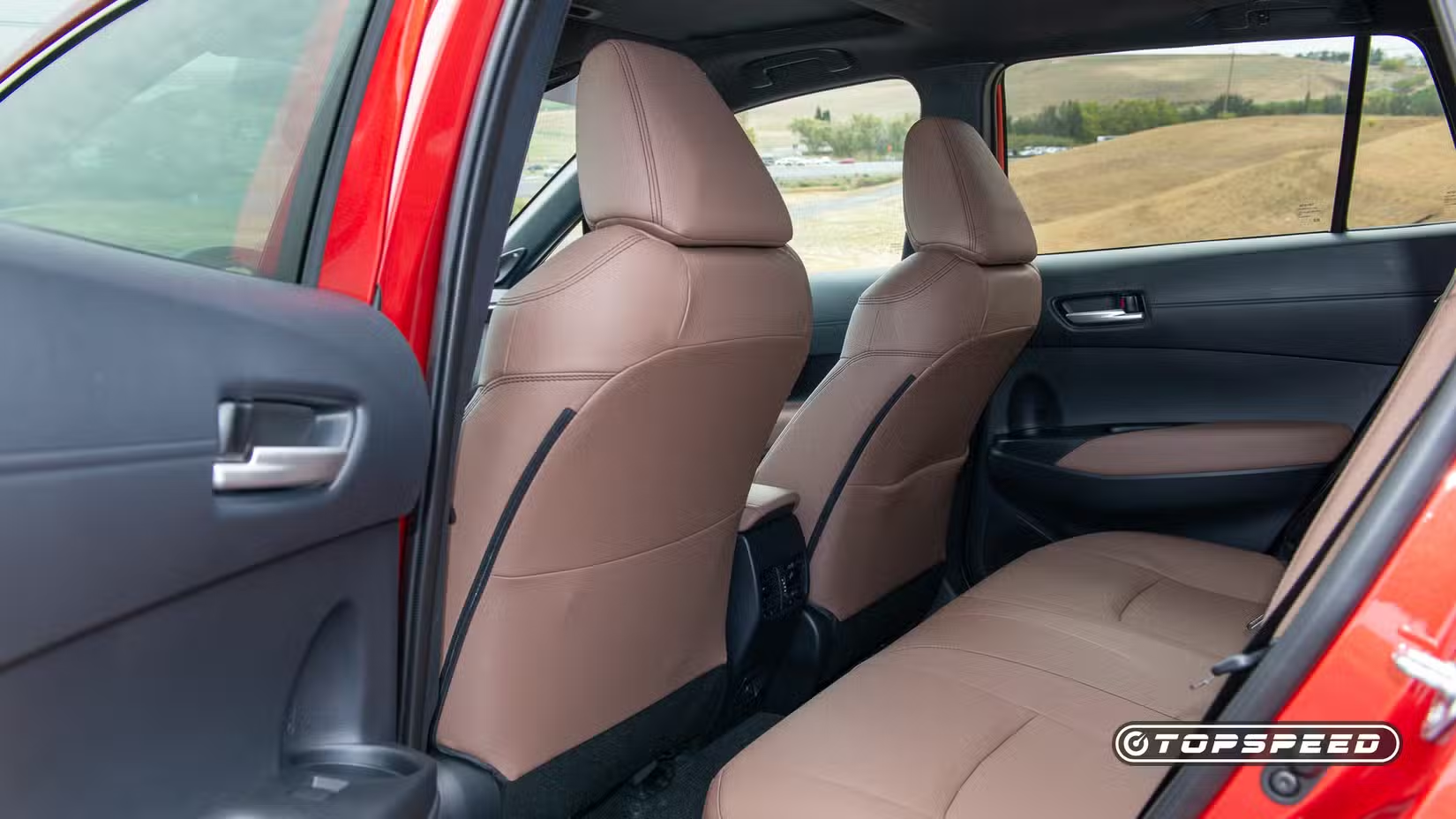
Some notable updates include the 2026 XLE gaining a standard 10.5-inch infotainment screen, while the LE can be equipped with one through the available multimedia package. Apple CarPlay and Android Auto are standard across all trims, while wireless charging and rear USB-C ports are standard on the LE and XLE.
Stepping up to the XLE AWD brings SofTex-trimmed seats, heated front seats, and a heated steering wheel, along with available JBL premium audio, a moonroof, and a power liftgate. These features help make the Corolla Cross a well-equipped daily driver rather than simply a cheaper substitute for shoppers who cannot afford a RAV4.
The Corolla Cross Is Growing, But The Numbers Don’t Tell The Whole Story
While the Corolla Cross’ appeal is clearly growing, it is still too early to attribute its success to a single factor.
The RAV4’s Decline Doesn’t Prove Buyers Are Switching To Smaller SUVs
While the RAV4’s decline and the Corolla Cross’ rise may appear directly correlated, the RAV4’s year-to-date sales decline is far larger than the Corolla Cross’ increase in overall volume. The Corolla Cross gained 16,790 sales through September compared with the same period last year, while the RAV4 lost 104,470.
The numbers simply do not support the idea that RAV4 buyers are switching to the Corolla Cross in large numbers. Even with its recent decline, the RAV4’s sales volume remains enormous compared with that of most other compact SUVs. Toyota’s year-to-date sales are also up 1.2 percent, demonstrating that the company is still growing overall, even as sales trends diverge across individual models.
Affordability And A Stronger Product Could Explain The Momentum
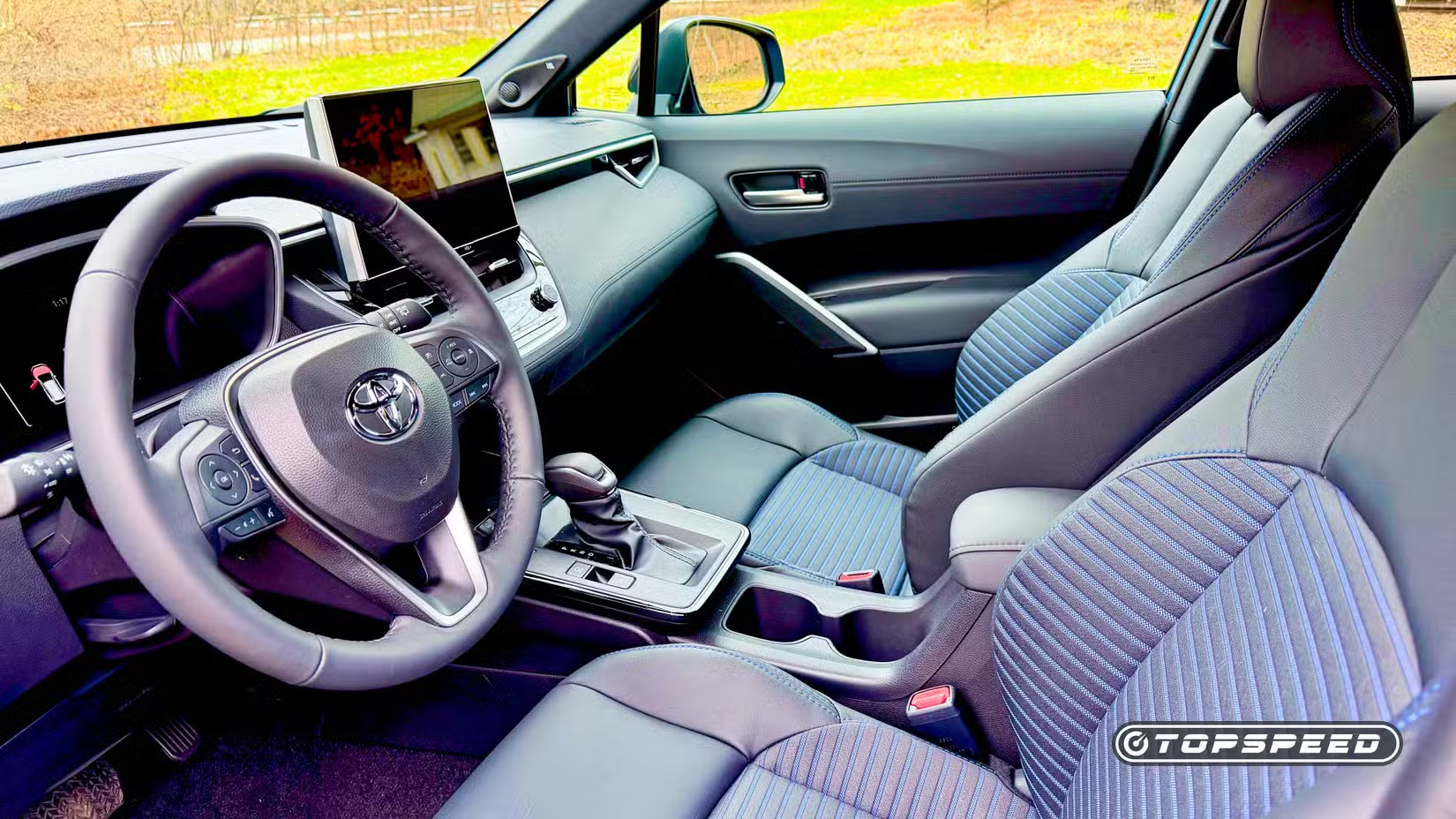
The 2026 Corolla Cross refresh adds meaningful equipment, updated styling, and efficiency improvements, all of which could be helping attract shoppers. Rather than being viewed solely as the less desirable option for buyers who cannot afford a RAV4, the Corolla Cross is increasingly establishing itself as a compelling choice in its own right.
Its significantly lower starting price remains an important advantage, but the overall package is stronger than ever. Some buyers do not need a hybrid or the additional space offered by the RAV4, making the Corolla Cross a practical, lower-cost alternative. A combination of affordability, improved equipment, and everyday usability could help explain its sales growth, demonstrating that the Corolla Cross can hold its own despite the tough competition within Toyota’s expansive SUV lineup.
Sources: Toyota, The EPA