Future Renault models will have more “restrained” styling with greater commonality between models, according to Renault Group design chief Laurens van den Acker.
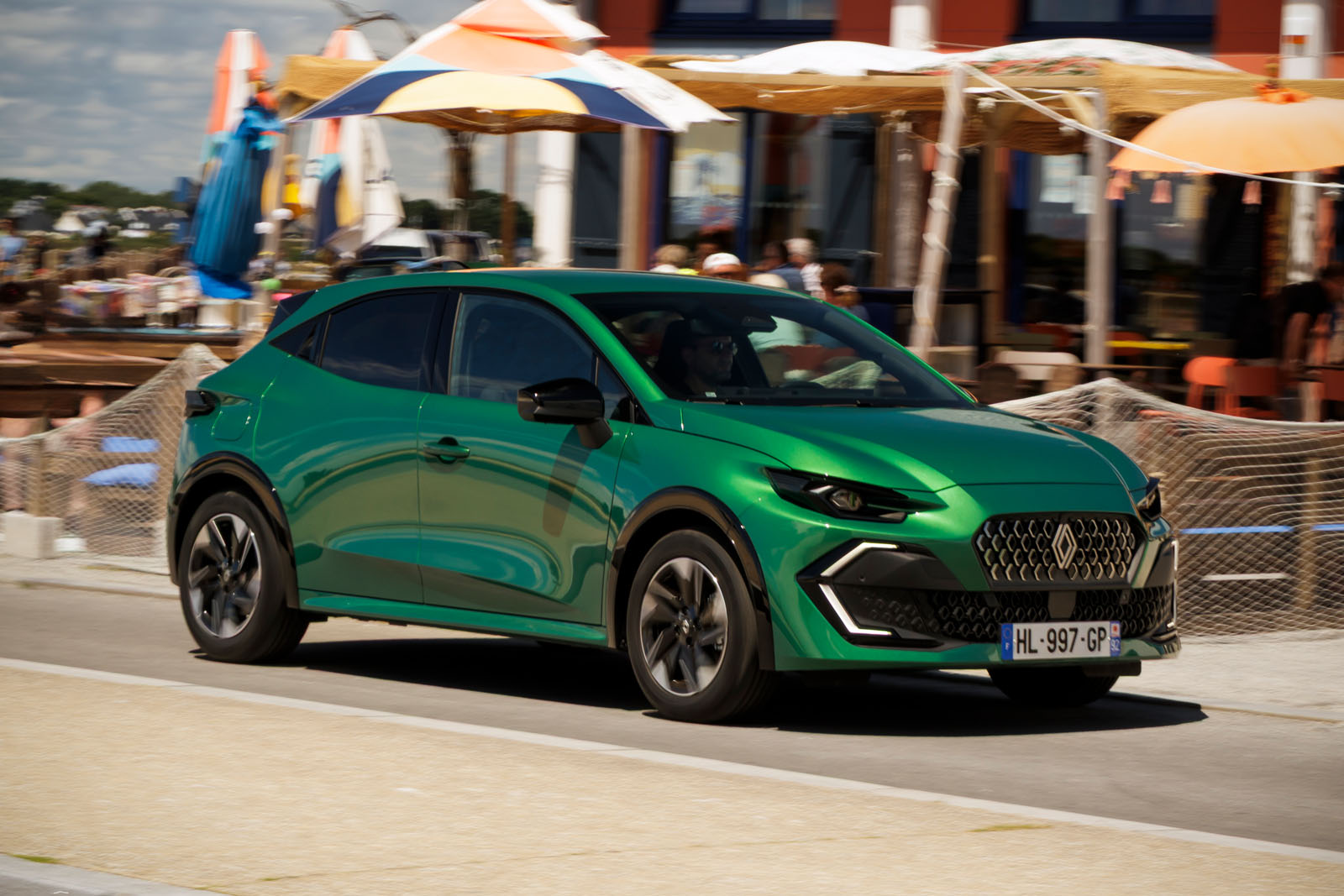
The French brand has recently launched a string of retro EVs (the 4, 5 and Twingo) that all feature highly individual designs, but it has continued to pursue more modern designs with its ICE offerings, including the new Clio.
Asked about its future design direction, van den Acker said this split approach would remain but hinted that, outside of its retro icons, future designs will feature more uniformity, due to a shift in direction under new group CEO François Provost.
Van den Acker said Renault will “keep apart” its “legendary icon” and “future icon” product ranges explaining: “The goal of the legendary icons is to be an icon first and foremost and to be recognisable. The Twingo and R5 have the [Renault] logo, but we’re not trying to give them the same eyes or the same layout. The form language is completely different. But when somebody buys a Twingo, they want a Twingo first and they’re not buying into [a Renault] design language as such.”
Alexandre Malval joined earlier this year to head deign for the Renault brand, and van den Acker said that “we’re going to regroup a little bit with the future icons”, suggesting a more unified design language.
“For those of you who’ve studied history, when I joined [Renault], I created a brand from a Twingo to a Master, then Luca [de Meo] came [in as Group CEO] and he wanted more personality in all the cars.
“It’s kind of a pendulum that swings, and there is no right or wrong approach necessarily. So we gave every car a unique identity, and now we’re on the other end of the spectrum, where they’re all different. And so this might be the right time to find a good balance. But our icons need to live their own story: they need to be Twingo first and R5 first and R4 first.”
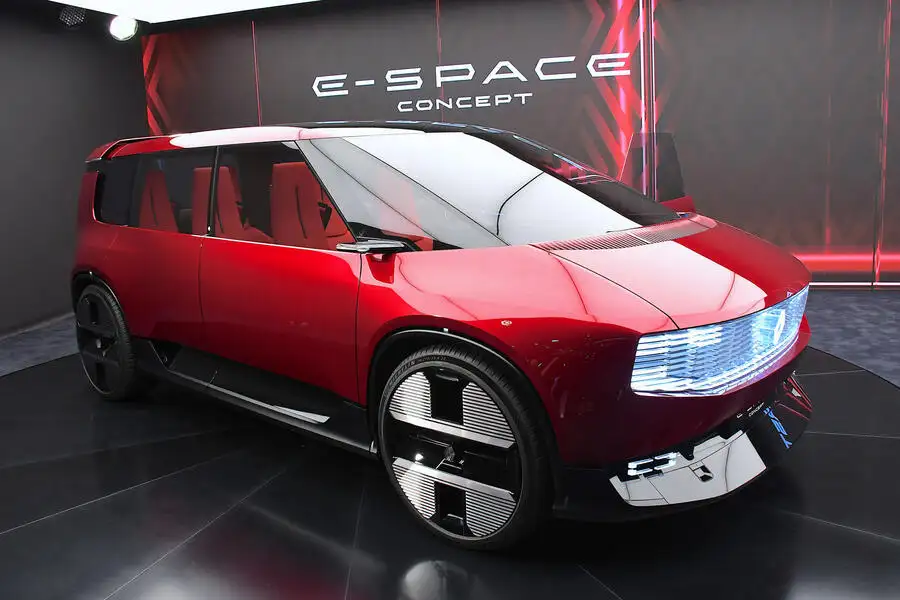
Van den Acker said the new E-Space concept, pictured below, was an example of this approach. While inspired by the original Espace MPV, it features a fresh styling approach.
He said the fact that Renault is now developing models on bespoke EV platforms means their designs will “become innovative by default”.
He added: “Future platforms will be EV-driven, and that will give them different silhouettes just from the get-go: longer wheelbases, bigger wheels, short overhangs, cars that aren’t as tall as an SUV but not as low as a saloon.