Scientists have identified hidden changes in the immune system that can appear up to 10 years before a person is diagnosed with inflammatory bowel disease (IBD). The findings, presented at UEG Week 2026, suggest that certain antibody patterns in the blood could eventually help doctors identify people at risk of developing the condition and even predict how severe their disease might become.
Inflammatory bowel disease refers to a group of long-term disorders, including Crohn’s disease (CD) and ulcerative colitis (UC), that cause persistent inflammation in the digestive tract. These conditions develop when the immune system responds abnormally, contributing to inflammation and damage in the intestines.
Scientists increasingly believe that IBD begins developing years before it is officially diagnosed. However, the immune system changes that take place during this early, largely hidden period have remained poorly understood.
Tracking Immune Changes a Decade Before Diagnosis
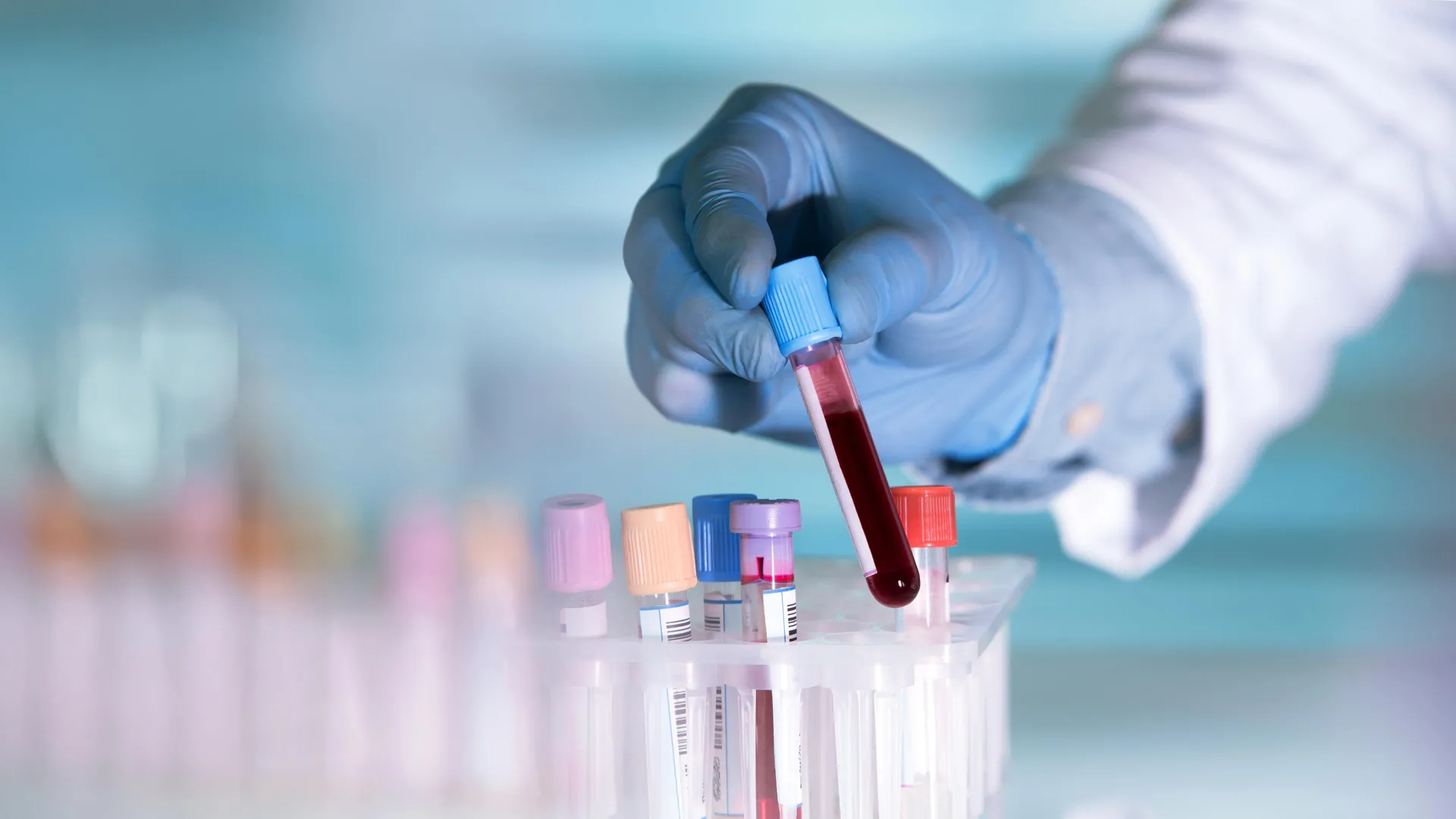
To investigate what happens before IBD is diagnosed, researchers examined 2,000 blood serum samples collected from 500 people. The participants included 200 who eventually developed Crohn’s disease, 200 who developed ulcerative colitis, and 100 healthy individuals of comparable age and sex.
Blood samples were available from the time of diagnosis and from approximately two, four, and 10 years earlier. This allowed the researchers to look backward through a decade of immune activity and identify changes that emerged before the diseases were recognized.
The team analyzed antibody reactions to approximately 357,000 antigens associated with bacteria, viruses, food, and the immune system itself. Antigens are substances that the immune system can recognize and respond to, while antibodies are proteins produced by the immune system that help identify specific targets.
Across all 2,000 samples, the researchers detected 123,980 unique antibodies.
A striking pattern emerged. People who later developed Crohn’s disease or ulcerative colitis had significantly less antibody diversity than healthy participants, meaning their immune systems showed a narrower range of antibody responses. Distinctive changes could be detected in both diseases as far back as 10 years before diagnosis.
Different Blood Signals Reveal Crohn’s Disease and Ulcerative Colitis
The researchers also found that Crohn’s disease and ulcerative colitis were associated with different immune signatures.
Among people who later developed Crohn’s disease, antibody responses to herpesviruses and bacterial flagellin were elevated. Flagellin is a protein that forms part of the tail-like structures some bacteria use to move.
These elevated responses were especially noticeable in individuals who eventually developed complicated Crohn’s disease or disease affecting the ileum, the final section of the small intestine.
At the same time, antibody responses to encapsulated bacteria gradually decreased as diagnosis approached. These bacteria are surrounded by protective outer coatings that can help them evade immune defenses.
People who later developed ulcerative colitis showed a somewhat different pattern. Their antibody responses to herpesviruses and autoantigens increased, while responses to encapsulated pathogens declined. Autoantigens are components of the body’s own tissues that can mistakenly become targets of an immune response.
Together, these findings suggest that the immune system undergoes measurable changes many years before inflammatory bowel disease is diagnosed.
AI Identifies Hidden Disease Risk Years in Advance
The researchers then used machine learning, a form of artificial intelligence that identifies patterns in complex data, to determine whether these antibody signatures could distinguish people who would eventually develop IBD from healthy individuals.
The results were promising.
Using blood antibody patterns from up to 10 years before diagnosis, the models distinguished future Crohn’s disease cases from healthy controls with an area under the curve (AUC) of 0.90. For ulcerative colitis, the corresponding value was 0.84.
AUC is a measure of how well a model distinguishes between two groups. A score of 0.5 indicates performance equivalent to chance, while 1.0 represents perfect discrimination.
The researchers also discovered that antibody patterns could help distinguish people who would develop complicated Crohn’s disease from those whose disease would remain less complicated. This distinction was possible approximately 10 years before diagnosis, with an AUC of 0.85.
These findings raise the possibility that blood antibody testing could eventually help identify not only who is at increased risk of IBD, but also which patients may need more intensive treatment.
Commenting on the findings, lead author Dr. Arno Bourgonje said: “It is fascinating to see that complicated CD at diagnosis is associated with a distinct antibody profile years before the first clinical symptoms and is not simply the consequence of disease progression after diagnosis. Finding these patterns so early points to the potential of antibody profiling to support earlier risk detection, distinguish between disease subtypes and help identify patients who may benefit from more intensive therapy as early as possible.”
Could a Blood Test Detect Gut Disease 10 Years Early?
Although the results offer compelling evidence that IBD has a detectable early immune signature, the researchers emphasize that the findings are not yet ready for use in routine medical screening.
The study establishes an important proof of principle, but additional research is necessary to determine whether these antibody patterns can reliably predict disease in broader populations.
Researchers must also establish whether antibody testing provides meaningful benefits beyond existing genetic information, clinical assessments, and other blood-based measurements. Any potential screening test would need to be accurate, affordable, reproducible, and ultimately shown to improve patient outcomes.
“The next priority is to validate these signatures in independent, more diverse and prospectively followed populations,” concluded Dr. Bourgonje. “We also need to determine their added value alongside genetic, clinical and other blood-based markers, translate the findings into a reproducible and affordable targeted assay and, ultimately, demonstrate that using such a test actually leads to better clinical outcomes.”
If future studies confirm these results, blood-based immune profiling could offer doctors a new way to recognize inflammatory bowel disease risk years before diagnosis, distinguish between disease subtypes, and identify patients who might benefit from earlier intervention.
References
- Bourgonje, A.R. et al. Deciphering the prodrome of inflammatory bowel disease up to 10 years before disease onset by massively parallel serology. Presented at UEG Week 2026; 19 October 2026; Barcelona, Spain.
- Danne, C. et al. Neutrophils: From IBD to the gut microbiota. Nature Reviews Gastroenterology & Hepatology. 2024; 21:184-197.