You can appreciate a hybrid’s fuel savings and still picture an expensive battery repair arriving just after the warranty expires. Add a Canadian winter, a driveway buried in snow, and a vehicle you intend to keep for a decade, and that concern can outweigh the number on the fuel-economy label. That is where an overlooked specification earns its place in the shopping conversation. Eight years of hybrid-system coverage cannot make cold weather disappear, but it can make the financial leap into electrification feel considerably smaller.
Winter Battery Anxiety Can Overshadow The Fuel Savings
The Repair Bill You Fear Matters More Than The MPG You See
A fuel-economy rating answers one question: how much gasoline should this SUV consume under standardized conditions? It does considerably less for the question hanging over a long ownership plan: what happens if an unfamiliar electrical component fails after several winters?
If you have spent years maintaining gasoline vehicles, you already understand oil changes, cooling systems, and transmission repairs. A high-voltage battery introduces another potential expense, and unfamiliarity can make that expense seem inevitable. The sensible response is to examine the protection available, rather than assume every hybrid comes with a battery replacement waiting in the wings.
Cold-Weather Performance And Permanent Battery Damage Are Different Questions
Winter efficiency loss is real, but it should not be confused with permanent battery damage. The U.S. Department of Energy reports that hybrid fuel economy can fall by around 30 percent in cold temperatures, a general finding that does not establish a Tucson-specific result or a permanent reduction in battery capacity.
That distinction matters when you read alarming percentages attached to winter driving. Using more fuel in January does not, by itself, mean the battery has lost the same percentage of its useful life. A warranty addresses eligible failures under its terms; it does not promise summer efficiency when you are scraping ice off the windshield.
The Hyundai Tucson Hybrid Makes Coverage Part Of Its Appeal
Eight Years Of Hybrid Protection Extends Beyond The Standard Warranty
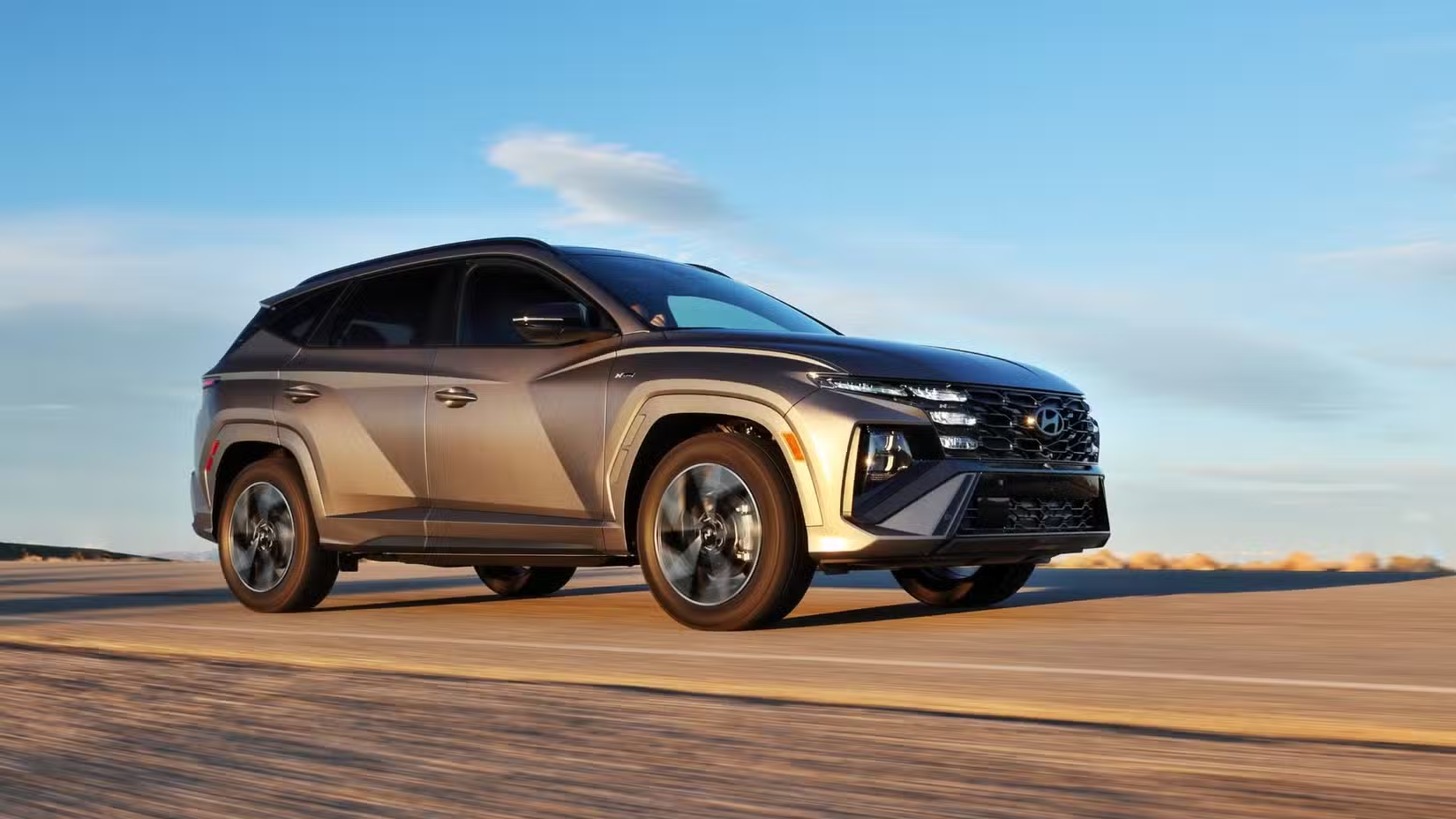
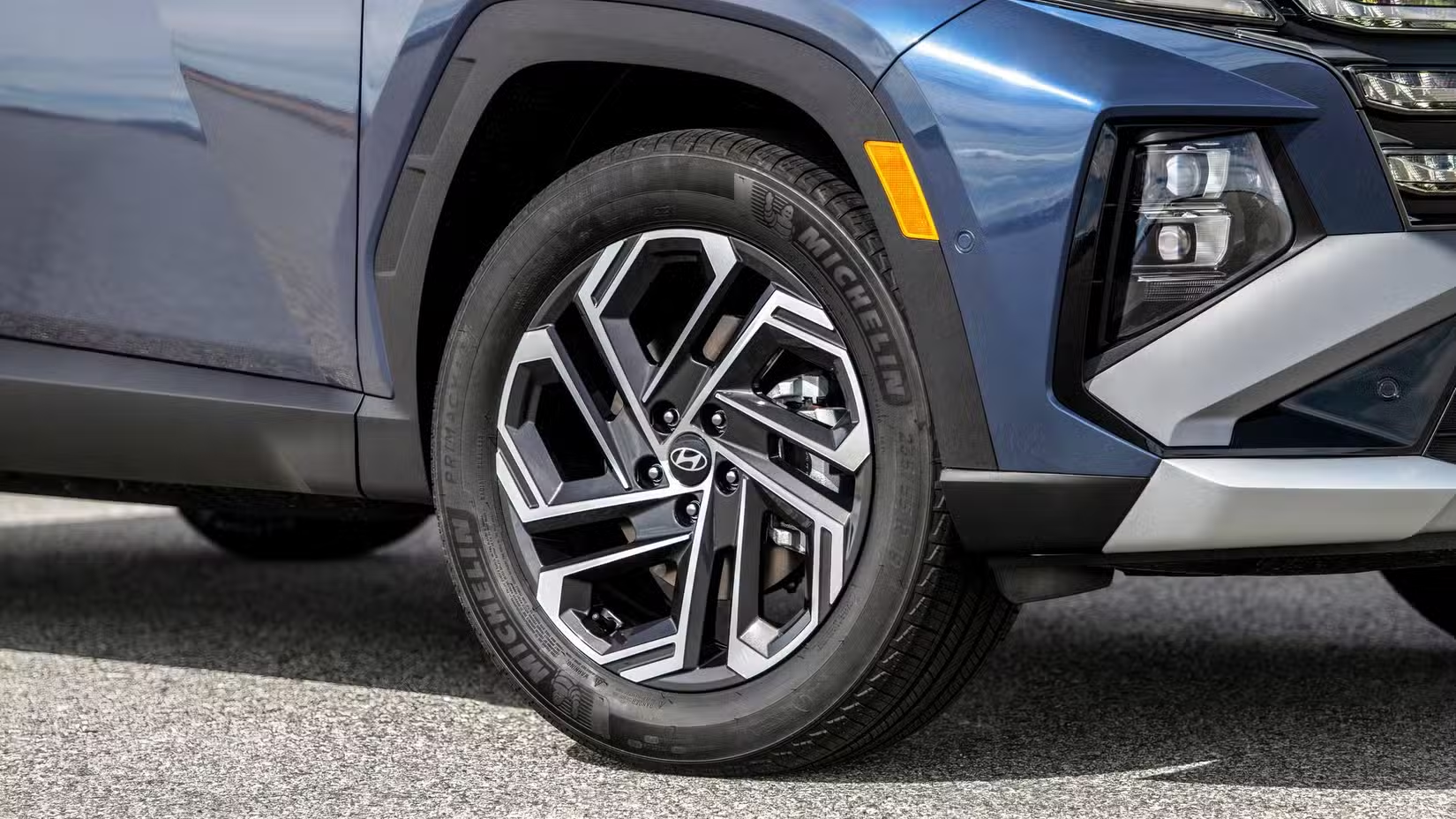
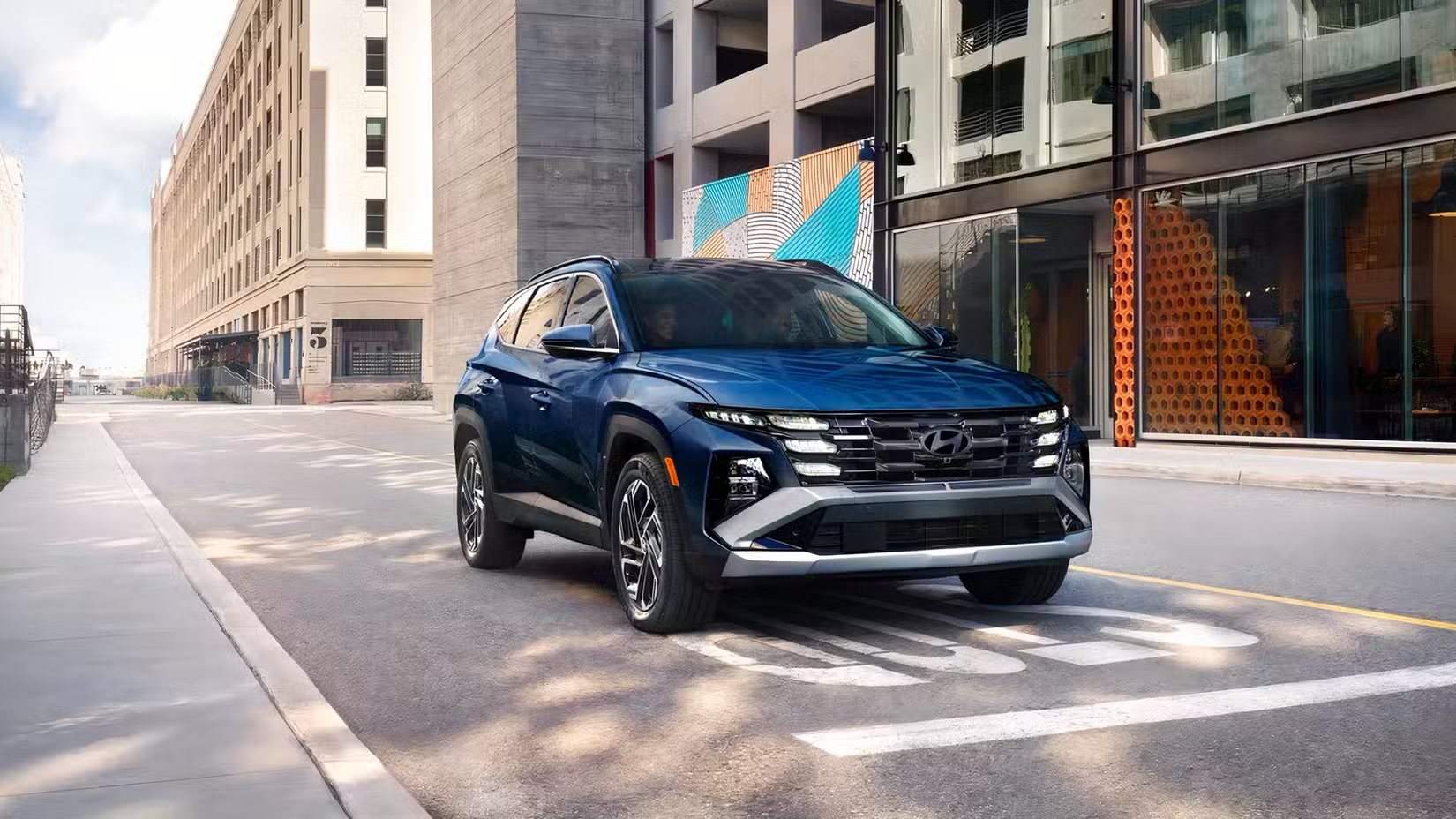
The SUV behind this argument is the Hyundai Tucson Hybrid, with the verified Canadian efficiency and range figures here applying to the 2026 model. Hyundai Canada advertises hybrid-system coverage lasting eight years or 160,000 km, whichever comes first, compared with its five-year/100,000 km New Vehicle Limited Warranty.
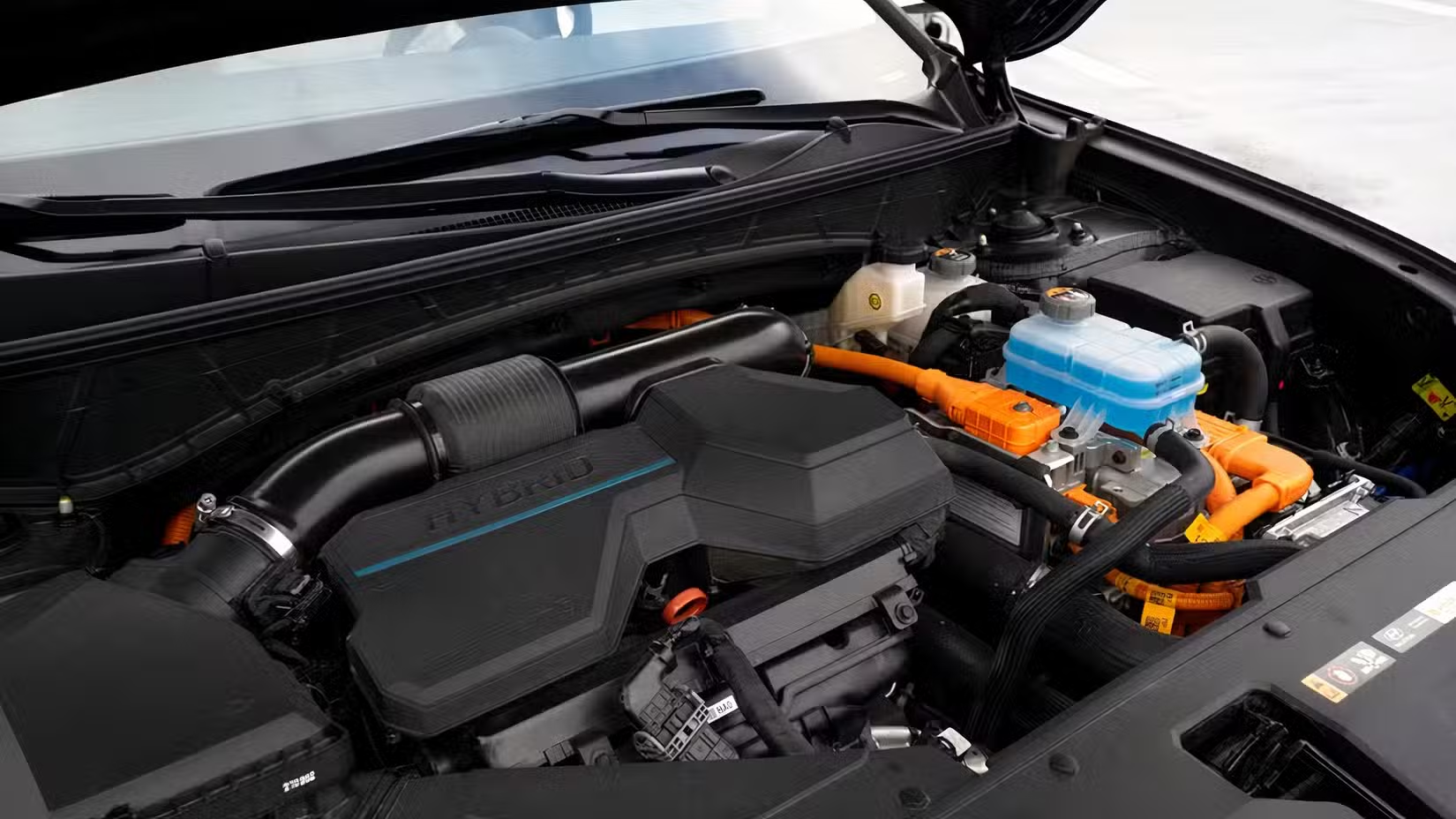
That is a meaningful extension for the electrified portion of the vehicle, although it does not turn the entire SUV into an eight-year bumper-to-bumper proposition. Hyundai’s Canadian dealer warranty summaries identify the hybrid battery pack, starter/generator, power control unit, and automatic transmission including the traction motor among covered components. Your vehicle’s Service Passport remains the document to check for the applicable terms and exclusions.
Hyundai’s Winter Messaging Gives The Warranty A Practical Hook
Hyundai Canada explicitly brings harsh winters into its warranty marketing, making coverage part of the ownership pitch rather than leaving it buried beneath the equipment list. Its clearest winter wording accompanies the broader new-vehicle coverage, while the hybrid-system section emphasizes confidence in electrification.
For you, the connection is easy to understand: a vehicle that will spend years outside deserves scrutiny beyond heated seats and a remote start button. The warranty provides a defined period of repair protection, subject to its terms. That is useful reassurance, but it should never be stretched into a claim that every winter-related problem qualifies for a free repair.
The Fuel Numbers Give That Reassurance A Financial Purpose
Hyundai lists a combined fuel-consumption rating of 6.7 L/100 km for the Canadian 2026 Tucson Hybrid. At that rate, driving 20,000 km would consume approximately 1,340 liters of gasoline, giving you a concrete starting point for an annual fuel budget.
The advertised range of up to 776 km comes from combining that consumption figure with a 52-liter fuel tank. It is a calculated estimate, not proof that every tank will carry you that distance. A winter commute can produce a different result, so treat 776 km as comparison information rather than a promise to skip a particular fuel stop.
The regular hybrid also keeps the refueling routine familiar: you fill it with gasoline rather than plug it in. Hyundai sells a separate Tucson Plug-in Hybrid, and its electric-range figures should not be mixed into this vehicle’s ownership argument. Keeping those versions straight prevents a surprisingly common shopping mistake.
The Toyota Benchmark Keeps The Warranty Argument Honest
Toyota Offers Longer Hybrid-Battery Coverage In Canada
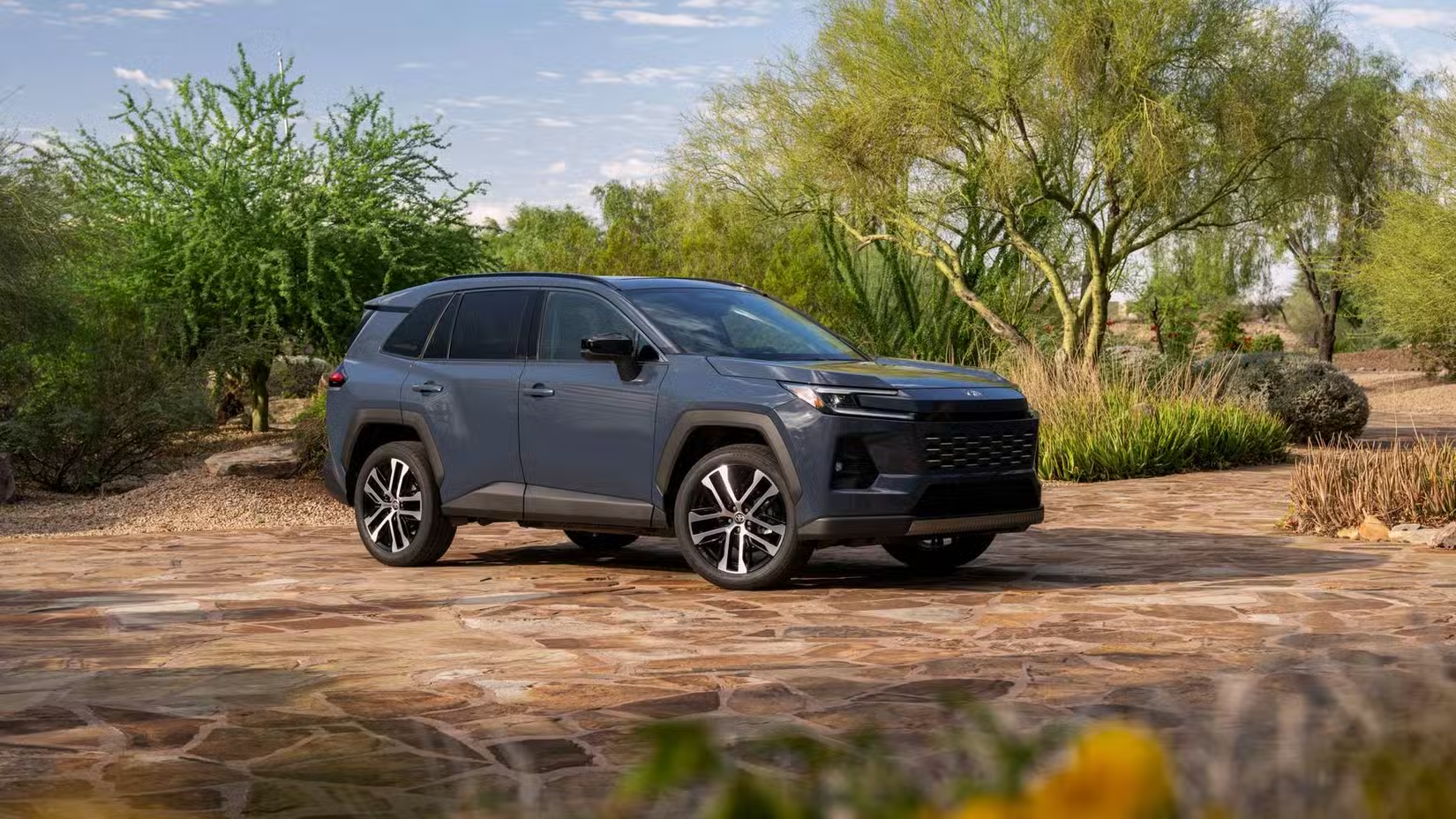
Any attempt to present Hyundai’s eight-year warranty as the final word in battery protection runs into Toyota. Toyota Canada’s 2026 warranty documentation lists hybrid-battery coverage of 10 years/240,000 km, whichever comes first, alongside separate eight-year/160,000 km coverage for designated hybrid components.
That gives Toyota a clear advantage on the battery’s time and distance limits. Hyundai counters with five-year/100,000 km standard new-vehicle coverage, compared with Toyota’s three-year/60,000 km basic coverage. The relevant comparison therefore depends on which part of the vehicle you are discussing.
You do not need to pretend the Tucson wins every warranty category to make a credible case for it. Its coverage gives you a reason to put it on the shopping list, while Toyota’s longer battery protection gives you a reason to examine the alternative. Brand loyalty should not get to rewrite the numbers.
A Longer Warranty Does Not Establish A Longer Lifespan
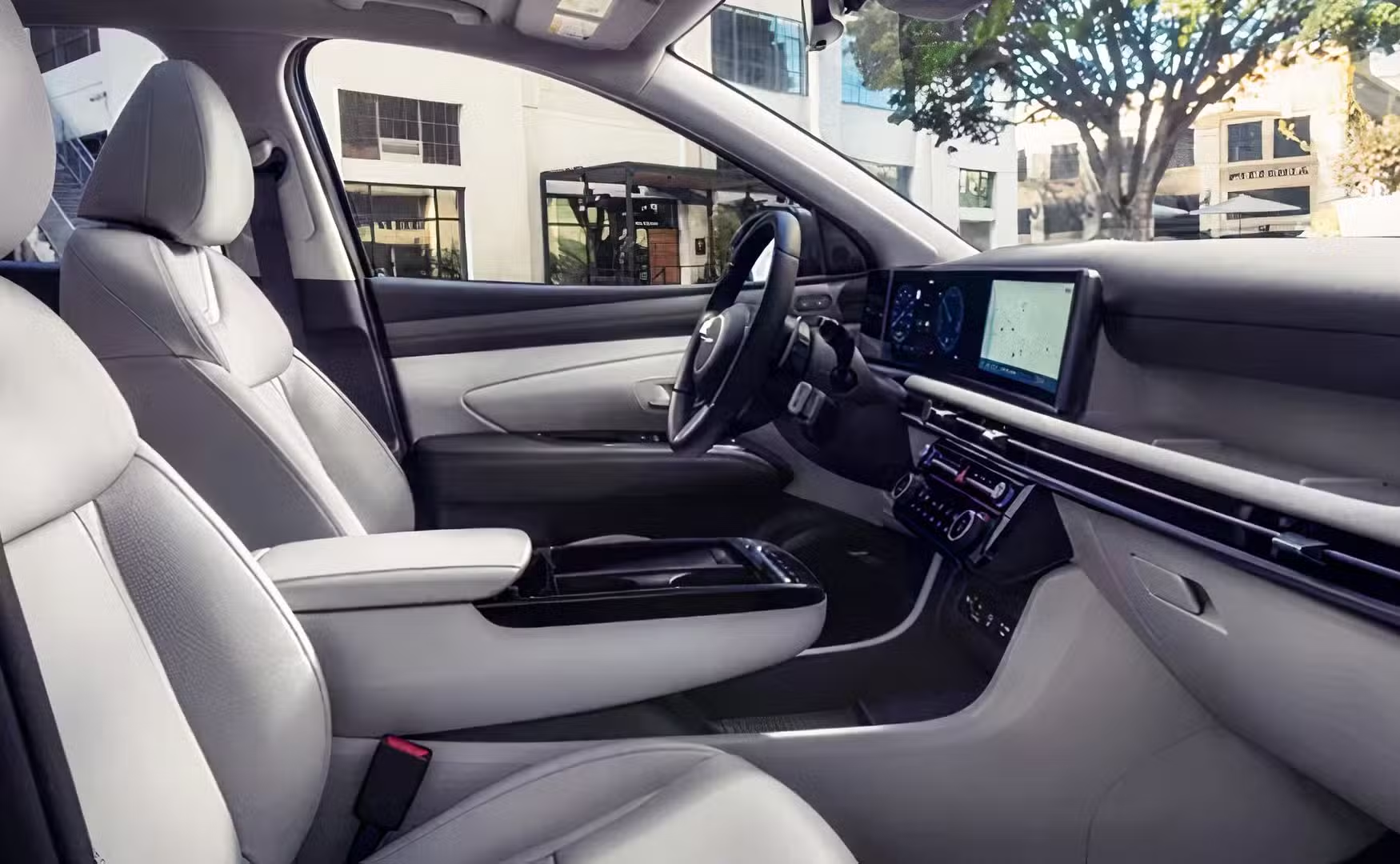
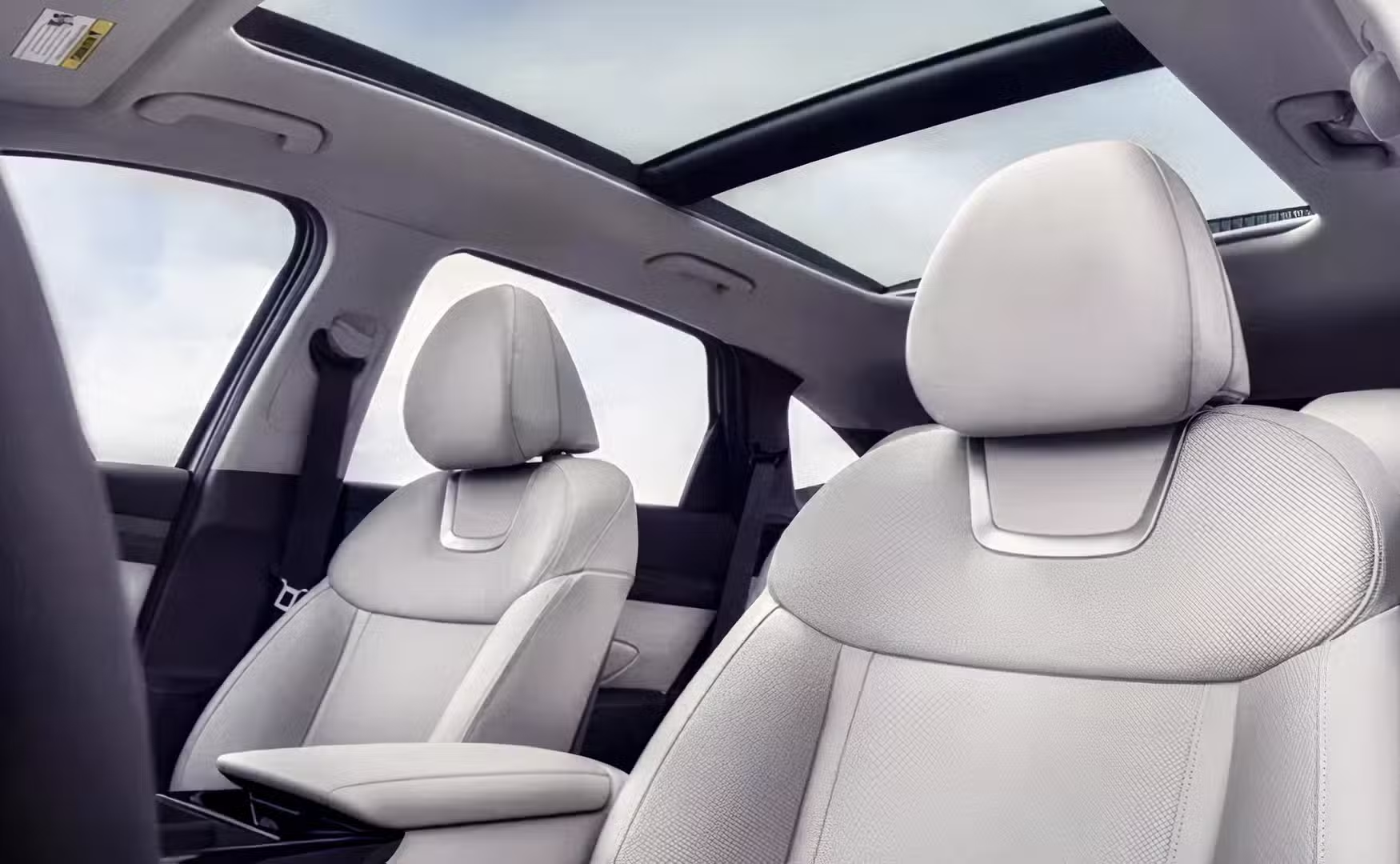
Warranty length tells you how long the manufacturer accepts specified repair obligations. It cannot tell you how frequently failures will occur, how convenient a repair will be, or whether the SUV will become an inexpensive companion after coverage ends.
That is why “buy once, keep forever” needs more support than a warranty headline. A serious long-term comparison also considers model-specific repair history, service requirements, parts costs, and the condition of the individual vehicle. Eight years of protection is valuable, but it is not an odometer forecast.
Buy For The Covered Years And Plan For The Years Afterward
Before choosing the Tucson, obtain its applicable Service Passport, confirm the covered components, and examine the maintenance schedule for your driving conditions. Hyundai makes proper maintenance a condition of warranty coverage, and keeping service records gives you documentation when questions arise.
Then compare equivalent trims against the vehicles you would actually buy, using verified purchase prices and realistic fuel estimates. Give the warranty proper weight without letting it crowd out ride comfort, everyday usability, or the experience of dealing with the service department.
The Tucson Hybrid’s strongest pitch is that you can try an electrified SUV with a substantial, clearly bounded period of protection. It answers part of the battery-repair worry that can keep you in a gasoline vehicle, while leaving the long-term decision where it belongs: with the numbers, the maintenance plan, and your willingness to own the vehicle after the paperwork expires.
Sources: Hyundai Canada, Toyota Canada, U.S. Department of Energy